
Step-by-Step Guide to Getting a Canadian Registration Number (CRN) for Pressure Vessels
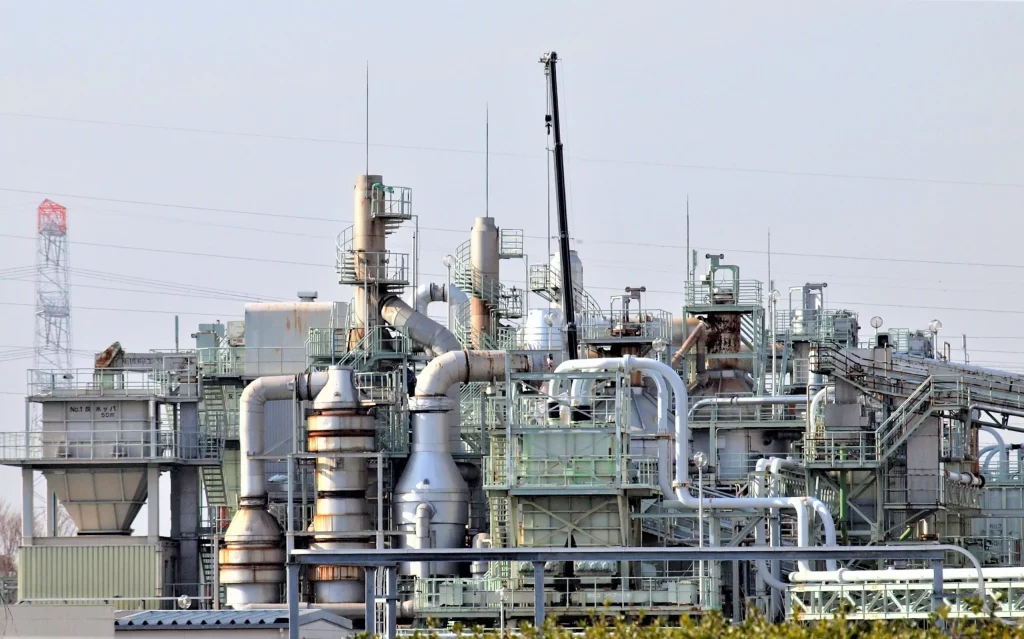
Step-by-Step Guide to Getting a Canadian Registration Number (CRN) for Pressure Vessels Home / Learning A Canadian Registration Number (CRN) is the jurisdictional registration assigned to pressure equipment such as pressure vessels, boilers, certain fittings, and piping systems under CSA B51 and applicable provincial regulations. Registration is handled by a regulatory body in each province/territory, and equipment must be registered where it is to be installed/operated. This guide from MECS Engineering explains the process so you can stay compliant and avoid costly delays. What is a CRN and who needs it? A CRN is a unique identifier issued by the provincial/territorial authority having jurisdiction (AHJ) (e.g., ABSA in Alberta, TSSA in Ontario, BCSA in British Columbia). It confirms the design has been reviewed for compliance with CSA B51 and relevant ASME Codes (e.g., ASME Section VIII for vessels, ASME B31.1/31.3 for Piping). Without a valid CRN in the relevant jurisdiction(s), pressure equipment generally cannot be legally installed or operated. Step 1: Speak with a Professional Engineer (early) Engage a qualified Professional Engineer (P.Eng.) like the team at MECS Engineering early to confirm: Whether your equipment requires CRN (vessel vs. fitting vs. piping). Applicable codes and standards (ASME, CSA B51). If applying for national registration the best initial jurisdiction and expected timelines. Any special forms (e.g., statutory declarations) and stamping requirements. Step 2: Prepare a complete submission package Typical documentation includes: Design drawings (general arrangement, details, nameplate data) Engineering calculations (per applicable ASME/CSA) Material specifications and WPS/PQR as applicable Quality system evidence (e.g., ISO/QA certificates) Scope of registration (sizes, ratings, models) for generic designs Completed forms required by the authority (e.g., statutory declaration) P.Eng. stamp, where required Our industrial engineering services ensure that every document is clear, accurate, and fully compliant with relevant codes. Tip: Clear, consistent drawings and calcs reduce RFIs and shorten review time. Step 3: Submit to the jurisdictional Authority Submit to the regulatory body of the province/territory (e.g., Alberta – ABSA, Ontario -TSSA, BC – BCSA). The AHJ reviews for code compliance and may issue comments or RFIs. If you plan to install across Canada, you can use reciprocal (national) registration after the initial CRN. Additional provinces/territories still need to process and issue their own registrations. There is a process in place where the initial regulatory body can submit to other provinces/territories on your behalf. Step 4: Respond promptly to review comments Authorities often request clarifications, additional calculations, or minor drawing updates. MECS coordinates responses quickly to keep your schedule on track. Step 5: Receive your CRN and mark the equipment Upon approval, you receive the Canadian Registration Number (CRN). Mark the equipment and maintain records for audits/inspections. If pursuing reciprocal registration, proceed with the remaining provinces/territories. Timelines (typical, not guaranteed) Engineering review & initial submission (by MECS): ~2–3 weeks after PO, advance payment, and complete inputs. Initial jurisdiction approval: commonly 6–10 weeks, depending on AHJ workload and RFIs. Reciprocal registrations: often 12–16 additional weeks. How MECS Engineering helps Code pathway & scope: Determine if you need CRN (vessel vs. fitting vs. piping). Complete package prep: Drawings, calculations, and forms aligned to ASME and CSA B51. Submission & liaison: We manage AHJ communications and track comments to closure. National registration: Strategy for efficient multi-jurisdiction coverage. Note: Regulators make the final decision. MECS cannot guarantee approvals, but we minimize rework and delays. FAQs Do piping systems need CRN?It depends on the province and specific scope. Piping may be registered differently (e.g., there are exemptions depending on the authority having jurisdiction (AHJ). We will advise based on CSA B51 and local rules. What if I have a generic design (multiple sizes/ratings)?You’ll define a scope of registration (an envelope). Job-specific drawings/calcs must still fall within that envelope and match each other for stamping/verification. Do I need a Canadian P.Eng. stamp?Many authorities require P.Eng. review and stamping on drawings/calculations and statutory forms. Requirements vary by jurisdiction. Can I install the vessel with only one province’s CRN?You must register in each province/territory where the equipment will be installed/operated. Initial CRN facilitates reciprocity but does not automatically grant nationwide approval. Talk to MECS Need help scoping your CRN submission or planning national registration?Contact MECS Engineering for a quick assessment and timeline.
Thermal Expansion in Piping Systems: Design Mistakes to Avoid
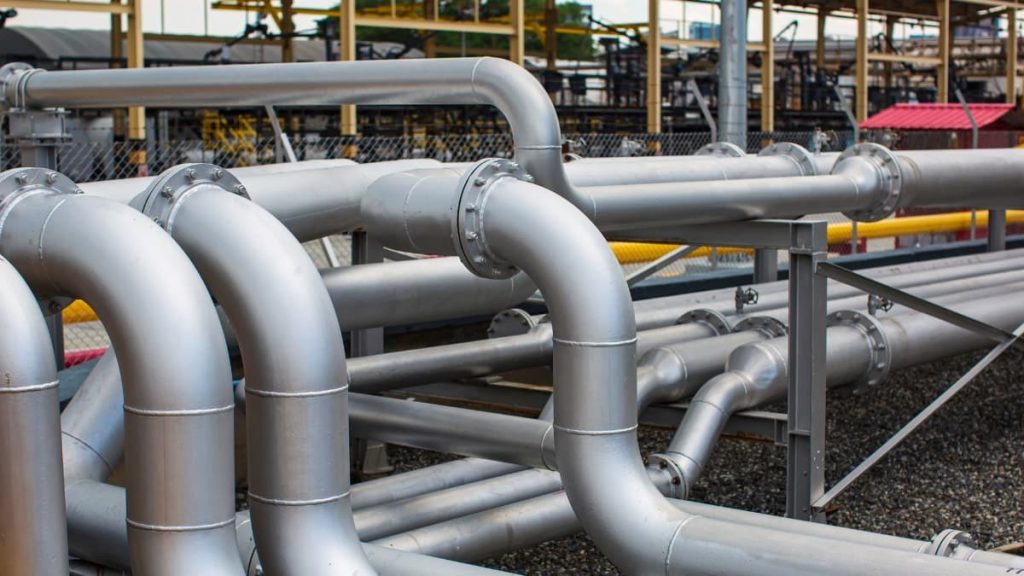
Thermal Expansion in Piping Systems: Design Mistakes to Avoid Home / Learning Thermal expansion is a critical factor in the design and performance of any piping system. Pipelines carry high-temperature fluids, naturally expand and contract. If the expansion and contraction of the pipes (caused by changes in temperature) are not considered during the design of the system, it can cause major problems— – Cracks in the pipes – Leaks at the joints (connections) – Or even the entire piping system failing to work properly. At MECS Engineering, our team of Professional Engineering Consultants helps industries prevent these issues through expert planning and Piping Stress Analysis. In today’s blog, we’ll see the most common design mistakes and their solutions. Mistake 1: Ignoring Thermal Movement in the Design Phase One of the biggest errors in piping system design is failing to allow for thermal expansion. Pipes need space to expand and move. If the design doesn’t allow pipes to safely handle temperature changes, the pressure inside them will grow and cause damage later on. Solution: Use detailed Piping Stress Analysis early in the design phase. Calculate expected expansion and plan accordingly. Mistake 2: Incorrect Placement of Expansion Joints Expansion joints are special parts added to a piping system to handle movement caused by temperature changes (like expansion or contraction). Poor positioning or misalignment may cause stress. And, shift to the other parts of the system. Solution: Engage Professional Engineering Consultants to accurately plan expansion joint placement based on pipe layout, temperature range, and support structures. Mistake 3: Using Rigid Supports for Expanding Pipes Rigid anchors and supports can restrict pipe movement. When thermal expansion is forced against these hard stops, it results in stress points that lead to cracks or leaks. Solution: Use a combination of smart supports that let the pipes move a little when needed. Keep everything strong and in-place. Mistake 4: Overlook Operational Changes Some engineers design based only on the initial operating conditions. They do not consider future temperature changes or equipment upgrades. Solution: Choose an experienced provider of Industrial Engineering Services like MECS Engineering to build flexibility into your system for future-proof performance. CONCLUSION Thermal Expansion is unavoidable. But we can plan for it so that it doesn’t cause any damage. By investing in expert Piping Stress Analysis and working with qualified Professional Engineering Consultants, you can reduce costly repairs. You can also ensure system longevity. At MECS Engineering, we offer advanced Industrial Engineering Services tailored to complex piping systems across industries. Visit us today for smart & stress-free solutions.
Understanding P.Eng. and P.E. Stamping and Certification: A Complete Guide
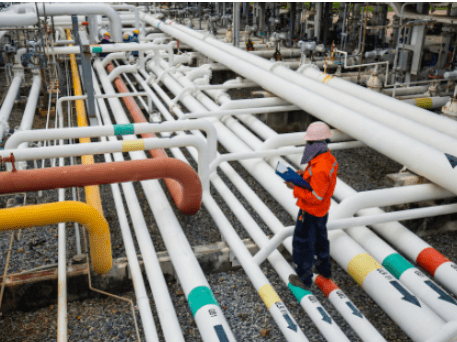
Understanding P.Eng. and P.E. Stamping and Certification: A Complete Guide Home / Learning You might wonder why some engineering plans feature a P.Eng. stamp and others do not. If you work in the world of piping engineering, knowing about P.Eng. stamping and P.E. certification isn’t just a box to tick—it can be the difference between a successfully operated project and one that ends up in costly delays. I recall in the early stages of my career, I was working on a piping project and the stamped designs actually saved the day during a regulatory audit. That’s the practical application of this certification, and here’s all you need to know about it. What Is P.Eng. and P.E. Certification? Simply put, P.Eng. (Professional Engineer) in Canada and P.E. (Professional Engineer) in the U.S. are official designations that show an engineer has the education, experience, and ethical grounding to take legal responsibility for their work. Here’s why this matters: Legal Accountability: Only licensed engineers can approve designs that meet safety and regulatory standards. Professional Credibility: Having the certification shows you’re trusted to make engineering decisions that others rely on. Career Development: Licenced engineers are often needed for many senior or consulting positions. For example, a piping engineering firm that is creating complex chemical pipelines can’t legally present their schematics to a client without a stamped signature from a licenced engineer. P.Eng. Stamping Explained Consider P.Eng. stamping as more than a signature—it’s a professional seal of approval. The engineer is stating: “I’ve personally gone through this, it complies with all codes and safety regulations, and I stand behind it.” When Do You Need a P.Eng. Stamp? Engineering Drawings: Close layouts of pipelines, pressure systems, or chemical procedures. Project Approvals: Necessary for submission to regulating bodies or customers. System Modifications: Any modifications with an impact on safety or operation integrity. Here’s a bit of insider information: Not all drawings require a stamp. Junior engineers or drafters often make up the initial drawings, but the licensed engineer inspects and stamps the final drawings. This system provides learning experience as well as compliance for safety. How to Obtain P.Eng. or P.E. Certification? The process is organized but within reach with perseverance. It typically includes: Accredited Education: A degree in engineering accepted by licensing authorities. Professional Experience: Usually 3–5 years under supervision of a licensed engineer. Professional Practice Exam: Examines ethics, law, and technical judgment. Application & References: Providing reports with endorsements from supervisors or licensed engineers. From my own experience, having a formal mentorship program in a piping engineering company can accelerate this process dramatically. Being able to see how senior engineers critique designs is priceless. Selecting the Correct Piping Engineering Company Asking the correct piping engineering company on board can make or break your project. Here’s why: Licensed Experts: Make sure P.Eng. or P.E. engineers are part of the team. Relevant Experience: They must have experience in your industry, be it oil & gas, chemical, or power. Proven Track Record: Look at previous projects and client reviews. Compliance Focus: Ethical practice and conformity to standards are non-negotiable. Quick Checklist Ensure licensing of senior staff Ask for stamped sample drawings Check experience with high-pressure piping systems Common Misconceptions About P.Eng. Stamping “It’s just a signature.” Not true—it’s a legal and ethical obligation. “All engineers can stamp designs.” Only licensed ones can. “It’s optional for small projects.” Regulations differ, but regulatory control usually mandates it. Advantages of Hiring Licensed Piping Engineers Safety First: Systems are structured to reduce dangers. Regulatory Compliance: Stay clear of fines or delays. Professional Accountability: Engineers adhere to professional and technical standards. Efficiency: Seasoned teams anticipate problems, keeping expensive revisions low. I’ve seen projects where a single stamped review caught a design flaw that could have caused months of rework. That’s why having licensed engineers on your team isn’t just formal—it’s practical. Tips for Aspiring Piping Engineers Document Your Work: Keep detailed notes on projects and responsibilities. Seek Mentorship: Shadow licensed engineers whenever possible. Stay Updated: Codes and regulations change; continuous learning is key. Volunteer for Challenging Tasks: Exposure to real problems accelerates your experience. Conclusion You need to know about P.Eng. stamping and P.E. certification if you work in piping engineering. It’s all about safety, responsibility, and professional credibility. Whether you’re a future engineer or selecting a piping engineering firm, you need to know these standards for easier, safer, and more professional projects. If you need your next project done perfectly, begin by working with certified experts—and continue learning.
Cutting-Edge Industrial Engineering Services for Modern Enterprises: MECS Engineering Inc.

Cutting-Edge Industrial Engineering Services for Modern Enterprises: MECS Engineering Inc. Home / Learning Ever wondered how massive industrial plants keep running smoothly without constant breakdowns? Or how chemical refineries and power stations handle extreme pressures safely every single day? The answer often comes down to industrial engineering services—the quiet, behind-the-scenes backbone of operational excellence. At MECS Engineering Inc., we don’t just design systems; we create solutions that help enterprises work smarter, safer, and more efficiently. Whether you’re overseeing a plant, manufacturing critical components, or coordinating a complex project, industrial engineering is the key to keeping everything running like clockwork. What Industrial Engineering Really Means Industrial engineering isn’t just about crunching numbers or drawing schematics. It’s about making systems work better—reducing waste, preventing failures, and ensuring every process adds value. Imagine a production line where machines frequently stop because a pipeline bursts unexpectedly. That downtime isn’t just frustrating—it’s expensive. Industrial engineers analyze the entire operation, from mechanical loads to workflow efficiency, and design solutions that prevent problems before they occur. That’s what we do at MECS: we combine technical knowledge with real-world experience to ensure your operations are reliable, cost-effective, and compliant with regulations. Why MECS Engineering Inc. Stands Out? Headquartered in Toronto, MECS Engineering Inc. has been helping North American enterprises streamline operations for years. But what truly sets us apart is our hands-on approach. We don’t just deliver reports—we partner with our clients to solve their unique challenges. Our engineers have seen it all: aging piping systems, high-pressure vessels, chemical reactors under stress, and complex process skids. Each project comes with its own quirks, and we thrive on tackling them with innovative, tailored solutions. Key Services Offered by MECS Piping Stress Analysis & Flexibility Studies Pipes are like the veins of a plant—they carry essential fluids, chemicals, or gases. If a pipe fails due to thermal expansion, pressure, or mechanical stress, the results can be catastrophic. MECS uses advanced software to simulate real-world conditions and pinpoint vulnerabilities. We don’t just provide numbers; we provide actionable recommendations that prevent breakdowns and extend the lifespan of your infrastructure. Pro tip from our engineers: A small design tweak early in the planning phase can save hundreds of thousands in maintenance costs down the line. Finite Element Analysis (FEA) Think of FEA as giving your equipment a “stress test” without risking real-world failure. It simulates how structures behave under different forces, helping engineers spot weak points before they become problems. One of our recent projects involved a high-pressure vessel for the chemical industry. Through FEA, we identified a minor design flaw that, if left unchecked, could have led to costly downtime. Fixing it in the design stage saved the client both time and money. Third-Party Verification & Certification Navigating regulations can feel like walking through a maze. MECS provides independent verification, including professional engineering (P.Eng. or P.E.) stamping, so your projects meet legal and safety standards. Clients often tell us, “It’s such a relief to have someone we trust reviewing these complex designs.” That’s because compliance isn’t just paperwork—it’s a safeguard against real risks. Canadian Registration Number (CRN) Support Manufacturing pressure-related components in Canada? CRN approval is mandatory. MECS helps clients with documentation, submissions, and communications with provincial authorities. This support keeps projects moving smoothly and ensures compliance without headaches—a small step that makes a huge difference in large-scale operations. Solutions Tailored to Your Industry Every industry has its own challenges, and MECS doesn’t offer cookie-cutter solutions. Power Sector: Designing systems that endure seismic shocks, thermal expansion, and extreme pressures. Oil & Gas: High-risk environments demand precise calculations and fail-safe designs. Chemical & Petrochemical: Reactors, storage tanks, and pipelines analyzed and optimized for safety and efficiency. Pulp & Paper: Combat aging infrastructure, corrosion, and flow inefficiencies. Process Industries (Food, Pharma): Optimize flow, hygiene, and energy efficiency without compromising safety. By customizing our services, we make sure every client gets solutions that actually fit their operations—not just standard templates. Real-World Examples One oil & gas client faced frequent pipeline failures due to thermal expansion. We performed a detailed piping stress analysis, recommended design adjustments, and monitored the implementation. Result? Downtime reduced by 40% and maintenance costs slashed. Another client, a chemical plant, needed a high-pressure vessel analyzed for compliance. Using FEA and third-party verification, we identified minor stress points and corrected them before production. This avoided delays and ensured safe, uninterrupted operation. These examples illustrate a simple truth: industrial engineering saves time, money, and lives. Why Choose MECS Engineering Inc.? Deep Industry Knowledge: Our engineers have decades of combined experience across multiple sectors. Certified Professionals: P.Eng. and P.E. certifications mean projects meet stringent standards. Practical Solutions: We don’t just analyze; we provide recommendations you can implement. Proven Track Record: Successful collaborations with EPC firms, plant owners, and OEMs across North America. Forward-Thinking Innovation: We leverage advanced software and simulation techniques to stay ahead of industry trends. Conclusion Industrial operations today are more complex than ever. From compliance requirements to efficiency targets, enterprises need solutions that actually work in real life, not just in theory.
Top Challenges in Piping Engineering and How FEA Solves Them
![Professional Engineering Consultants, engineering consulting firms, engineering services, engineering project management, engineering consultancy, engineering consulting, civil engineering consulting, civil engineering services, structural engineering consulting, structural engineering firms, industrial engineering consulting, industrial engineering solutions, environmental engineering consulting, mechanical engineering firms, aerospace engineering consulting, geotechnical engineering services, best structural engineering firm in [city], affordable civil engineering consultants for small projects](https://mecsengineering.com/wp-content/uploads/2025/08/Untitled-design-8-1024x683.jpg)
Top Challenges in Piping Engineering and How FEA Solves Them Home / Learning One of the most important fields in contemporary industrial design, piping engineering ensures that pipelines are safe to carry fluids under any conditions. Despite multiple challenges facing the industry like design complexity, safety issues, and international code compliance, Finite Element Analysis (FEA) steps into the scene as an ace. For any piping engineering company, an integration of FEA with Stress Analysis, Third-Party Verification, and P.Eng./P.E. Certification ensures reliability and compliance at each step. Understanding the Essence of Piping Engineering Piping engineering is concerned with designing, analyzing, and maintaining pipelines that carry liquids, gases, or slurries in the oil & gas, petrochemical, and power generation industries. Designers and analysts need to keep in mind: High-pressure operations Temperature variation Corrosion and material degradation Seismic and environmental conditions Stringent industry regulations Unless proper analysis and code compliance are done, piping failures can result in catastrophic accidents, financial loss, and legal consequences. Key Challenges in Piping Engineering Complex Stress Analysis Pipes are subjected to various types of stresses, thermal, pressure, and external loads. Conventional techniques seldom manage to quantify the nuances of these complexities. Material Selection & Longevity Selecting an appropriate material that resists elevated temperature, corrosion, and fatigue is perhaps the most challenging task for piping engineers. Adherence to International Standards Compliance with ASME, CSA, and ISO codes usually necessitates Third-Party Verification and P.Eng. Certification to ensure engineering reports are certified. Risk of System Failures Leaks, bursts, and vibration problems create operational and safety hazards when not discovered during the design phase. Documentation & Certification Authorities and customers require stamped engineering reports with P.Eng. Stamping or P.E. Certification to guarantee safety and responsibility. What a Finite Element Analysis (FEA) Overcomes These Obstacles? Advanced Stress Analysis Finite Element Analysis (FEA) breaks down complex piping systems into smaller elements and makes it possible for engineers to conduct precise stress analysis on load conditions. This enhances forecasting and minimizes the occurrence of failures. Optimized Material Utilization Through temperature, vibration, and corrosion simulation effects, FEA makes it easy to select cost-effective yet long-lasting materials, prolonging the life of piping systems. Code Compliance & Third-Party Verification FEA reports, when accompanied by Third Party Verification, are in line with industry codes and regulations. A reputable piping engineering firm assures that designs are certified using P.Eng. Certification or P.E. Certification for operational approval. Failure Prevention By simulating extreme conditions (earthquakes, pressure surge, high temperature), FEA identifies weak spots and offers solutions prior to physical application. Certified Engineering Reports Customers are issued professionally stamped reports i.e. P.Eng. Stamping and P.E. Certification, guaranteeing the design is safe and approved for use. Benefits of Integrating FEA with Piping Engineering Improved Safety: Lower risk of leaks, bursts, or catastrophic failures. Cost Economy: Optimized material selection and less downtime. Faster Approvals: Seamless compliance with regulatory codes. Global Credibility: Stamped reports with P.Eng. Certification and P.E. Certification. Trust & Transparency: Independent Third-Party Verification increases confidence with stakeholders. Why Select a Professional Piping Engineering Firm? Utilizing an experienced piping engineering firm guarantees each project is supported by experience in Finite Element Analysis, Stress Analysis, and Third-Party Verification. Furthermore, qualified engineers add P.Eng. Stamping and P.E. Certification, which are required for regulatory and client acceptance. Conclusion Piping engineering is complex, but with Finite Element Analysis (FEA), certified stress analysis, and Third-party verification, companies can eliminate risks and ensure compliance from the start. Partnering with a qualified engineering firm provides the technical rigor, certification, and credibility needed to deliver secure, cost-effective, and globally accepted piping systems.
How Professional Engineering Consultants Help You Avoid Costly Project Failures

How Professional Engineering Consultants Help You Avoid Costly Project Failures Home / Learning Introduction When it comes to complex industrial projects, hiring Professional Engineering Consultants is not just an option, it’s often the smartest decision you can make. From navigating regulatory hurdles like the CRN Number to executing precise P.E. Stamping and P.E. Certification, these experts bring essential value. Whether you’re dealing with or any other pressure containing equipment/vessel in Canada, requiring Engineering Services that meet strict compliance codes, or ensuring timely P.Eng. Stamping, professional consultation can make or break your project. Let’s explore why investing in industrial engineering services ensures your project’s success, safety, and efficiency. What Do Professional Engineering Consultants Really Do? Professional Engineering Consultants offer technical, legal, and regulatory expertise that most internal teams lack. Their services go beyond just design; they ensure compliance with local, provincial, and federal regulations. Whether it’s preparing detailed drawings, selecting materials, or calculating loads for Piping and equipment in Canada, consultants ensure every element aligns with the applicable codes. They typically assist with: CRN Registration of pressure vessels and pipingP.E. Stamping for U.S.-based submissionsP.Eng. Stamping for Canadian jurisdictionsFEA (Finite Element Analysis) and pipe stress analysisIndustrial engineering services for new installations or retrofits Regulatory Compliance Made Easy with CRN and P.Eng. Getting a Canadian Registration Number (CRN) is often a challenge for engineers new to the Canadian system. Professional Engineering Consultants understand the nuances of these processes and can navigate the registration requirements efficiently. Here’s how they help: Prepare and review drawings before submission to jurisdictional authorities. Perform design checks to ensure Engineering design meet CSA B51 and ASME standards. Apply for CRN Numbers on your behalf. Provide accurate and legal P.Eng. Stamping across multiple provinces. Without expert assistance, the risk of rejection or non-compliance rises, leading to costly project delays. Why P.E. Certification and P.E. Stamping Matters for Global Projects? For cross-border industrial projects, regulatory compliance isn’t just a formality – it’s a requirement. In the U.S., P.E. (Professional Engineer) Certification is often mandatory, while P.E. Stamping is essential to validate engineering documents submitted for construction, or regulatory approval. Professional Engineering Consultants licensed in multiple provinces and states provide critical value by: Legally stamping drawings, specifications, and calculations. Ensuring compliance with local and regional codes. Streamlining permit applications and review timelines. Reducing the risk of fines, rework, or legal liability. Working with consultants who hold both P.Eng. (Canada) and P.E. (U.S.) licenses offers a distinct advantage to firms operating in both countries — ensuring smooth project execution across borders and jurisdictions. The Influence of Industrial Engineering Services on Project Efficiency Beyond regulatory compliance, industrial engineering services directly impact the efficiency and success of your project across every phase: Design Optimization: Reduce material waste, prevent overdesign, and avoid costly structural or mechanical issues. Schedule Control: Minimize delays through accurate, timely submissions and responsive coordination. Cost Reduction: Avoid rework, non-compliance penalties, and change orders by getting it right the first time. Enhanced Safety: Ensure systems are designed to meet safety standards — protecting both people and assets. These services are especially critical in highly regulated industries such as oil & gas, chemical processing, HVAC, and infrastructure — where pressure equipment design and Piping engineering regulations require deep technical and code expertise. BulletProof Benefits of Engaging Professional Engineering Consultants Here’s why bringing in Professional Engineering Consultants is a smart, future-proof move for your project: Expert guidance on CRN Number registration and P.Eng. Stamping Seamless P.E. Certification and cross-border compliance Access to specialized industrial engineering services Fast, reliable turnaround for engineering submissions Reduced liability and improved safety assurance Connect with MECS Engineering — your trusted partner for certified, experienced, and responsive engineering support. We specialize in Piping Engineering, CRN Numbers, and P.Eng. and P.E. Stamping services.
