
CRN: What Manufacturers and Facility Owners Need to Know

CRN: What Manufacturers and Facility Owners Need to Know If you manufacture, import, design, or install pressure equipment in Canada, understanding CRN requirements is an important part of project planning. Many pressure-retaining components must be registered before they can be installed or operated within a Canadian jurisdiction. For companies in Canada, the USA, and international markets, CRN approval is often one of the key steps in bringing equipment to market. Understanding the process early can help avoid project delays, improve compliance, and support a smoother approval pathway. What Is a CRN? CRN, or Canadian Registration Number, is a registration identifier assigned to pressure equipment designs that have been reviewed and accepted by a Canadian provincial or territorial authority. The registration process is commonly used for: Pressure vessels Heat exchangers Boilers Pressure piping systems Valves and fittings Expansion tanks Other pressure-retaining components The purpose of the CRN system is to help verify that equipment designs meet applicable regulatory and code requirements before installation. Why Is CRN Important? Supports Regulatory Compliance Many categories of pressure equipment require registration before use in Canada. A valid CRN demonstrates that the design has undergone the required review process. Because regulations vary by jurisdiction, requirements should always be confirmed for the province or territory where the equipment will be installed. Helps Prevent Project Delays Missing or incomplete registration documentation can affect manufacturing schedules, equipment delivery, and project startup timelines. Obtaining CRN approval early in the project lifecycle often helps avoid unexpected setbacks. Provides Confidence in Design Documentation The review process evaluates engineering calculations, drawings, materials, and code compliance information. This helps ensure that submitted designs meet applicable standards. Who Needs a CRN? A CRN may be required for: Equipment manufacturers Fabricators Engineering firms EPC contractors Plant owners International suppliers exporting equipment to Canada Companies outside Canada are often surprised by the registration requirements because they may differ from approval processes used in other countries. Understanding the CRN Registration Process While each jurisdiction has its own procedures, the registration process generally follows a similar path. Prepare Engineering Documentation The application package typically includes: Engineering drawings Design calculations Material specifications Pressure ratings Applicable code references Complete and accurate documentation is one of the most important factors in achieving a successful review. Submit for Regulatory Review The design package is submitted to the applicable provincial or territorial authority for assessment. Reviewers evaluate whether the design complies with relevant pressure equipment regulations and recognized industry codes. Address Technical Comments In some cases, authorities may request additional information or revisions before approval can be granted. Receive CRN Approval Once the design is accepted, a CRN is issued and can be referenced in future manufacturing and project documentation. Common Challenges with CRN Applications Many registration delays result from documentation issues rather than fundamental design problems. Common challenges include: Incomplete calculations Drawing inconsistencies Incorrect code references Missing material information Unclear pressure boundary definitions Jurisdiction-specific requirements Working with experienced engineering professionals can help identify these issues before submission. CRN Requirements Across Canada One of the most important things to understand about CRN approvals is that Canada does not have a single national registration authority. Each province and territory administers its own pressure equipment regulations. While many technical requirements are similar, submission procedures and documentation expectations may differ. Because local regulations apply, companies should always verify the requirements of the intended installation jurisdiction. How MECS Supports CRN Projects MECS provides engineering support for companies navigating the CRN registration process across Canada. Our services include: CRN application preparation Pressure vessel calculations Piping system engineering Design reviews and compliance assessments Technical documentation support Professional Engineer review where required Coordination with regulatory authorities We work with manufacturers, fabricators, EPC contractors, and facility owners to help streamline the registration process and reduce approval challenges. Why Engineering Support Matters CRN registration involves both technical engineering requirements and regulatory expectations. An experienced engineering team can help ensure that calculations, drawings, and supporting documentation align with applicable requirements before submission. This often results in fewer revisions, improved efficiency, and a smoother approval process. Conclusion A CRN is an important requirement for many pressure equipment projects in Canada. Understanding the registration process, preparing accurate documentation, and addressing jurisdiction-specific requirements can help support successful project execution. MECS provides practical engineering solutions for CRN registration, pressure equipment design, piping engineering, and compliance support. Contact our team to learn how we can assist with your next project in Canada or abroad.
Canadian Registration Number: What Manufacturers Need to Know

Canadian Registration Number: What Manufacturers Need to Know For companies supplying pressure equipment into Canada, understanding the Canadian Registration Number process is an important part of project planning. Whether you manufacture pressure vessels, piping systems, fittings, or heat exchangers, registration requirements can directly affect approvals, schedules, and installation readiness. Many organizations outside Canada first encounter CRN requirements when preparing equipment for industrial facilities, energy projects, or manufacturing operations. While the process can appear technical, the purpose is straightforward. A Canadian Registration Number helps confirm that pressure equipment designs meet applicable regulatory and code requirements before use within a Canadian jurisdiction. What Is a Canadian Registration Number? A Canadian Registration Number, commonly called a CRN, is a registration identifier issued by a provincial or territorial authority in Canada for pressure equipment designs. The CRN system applies to many types of pressure-retaining equipment, including: Pressure vessels Boilers Heat exchangers Pressure piping systems Valves and fittings Expansion tanks and related components The registration process helps authorities review whether a design complies with applicable codes and safety requirements. Why a Canadian Registration Number Matters Required for Many Canadian Projects In many cases, pressure equipment cannot legally be installed or operated in Canada without proper registration. Requirements vary by province and by equipment type, so it is important to confirm the applicable rules early in the project. Supports Code Compliance CRN applications are typically reviewed against recognized standards such as ASME codes and relevant provincial regulations. The review process helps confirm that calculations, materials, and design details align with applicable requirements. Helps Avoid Delays Registration issues can affect manufacturing schedules, delivery timelines, and project startup dates. Early planning and complete documentation often help reduce approval delays. Builds Confidence with Clients and Regulators Canadian facility owners and EPC companies generally expect suppliers to understand CRN obligations and provide organized engineering documentation. Who Typically Needs a Canadian Registration Number? A Canadian Registration Number may be required for: Manufacturers exporting equipment into Canada Fabricators producing pressure-retaining systems Companies modifying existing registered designs EPC contractors managing industrial projects Plant owners installing new pressure equipment International companies often require additional support because Canadian registration procedures may differ from those used in other countries. The Canadian Registration Number Process While each jurisdiction has its own review procedures, the process generally includes several key steps. Design Preparation Engineering drawings, calculations, material specifications, and code references are assembled for review. Engineering Review The design package is checked for compliance with applicable standards and pressure equipment regulations. Submission to the Jurisdiction Applications are submitted to the relevant provincial or territorial regulator. Comment Resolution Authorities may request clarifications or revisions before granting approval. Registration Approval Once accepted, the design receives its CRN registration identifier. Common Challenges with CRN Applications Many registration delays are caused by documentation gaps rather than major engineering problems. Common issues include: Incomplete calculations Drawing inconsistencies Incorrect code references Missing material information Unclear pressure boundary definitions Jurisdiction-specific formatting requirements Because provincial expectations can differ, experience with multi-jurisdiction submissions is often valuable. Canadian Registration Number Requirements Across Provinces Canada does not use a single national approval authority for pressure equipment registration. Each province and territory administers its own process through the applicable regulator. For example, one jurisdiction may request additional supporting documents while another may have different review timelines or submission requirements. Local regulations always apply, and project requirements should be confirmed for the intended installation location. How MECS Supports Canadian Registration Number Projects MECS provides practical engineering support for Canadian Registration Number applications across multiple industries. Our services include: Pressure vessel and piping calculations CRN application preparation Design review and compliance assessments Drawing updates and documentation support Multi-province registration strategies Professional Engineer review where required Coordination with fabricators and project teams Why Engineering Support Makes a Difference The CRN process involves both technical engineering review and regulatory coordination. Working with experienced professionals can help identify issues early, improve documentation quality, and reduce unnecessary revisions. For manufacturers entering the Canadian market, this can support smoother project execution and more predictable timelines. Conclusion A Canadian Registration Number is an important requirement for many pressure equipment projects in Canada. Proper registration helps support compliance, reduce approval delays, and improve confidence with regulators and project stakeholders. MECS provides engineering and CRN support services for clients in Canada, the USA, and international markets. If your project requires pressure equipment registration or related engineering assistance, our team is ready to help.
CRN: What It Means and Why It Matters in Canada
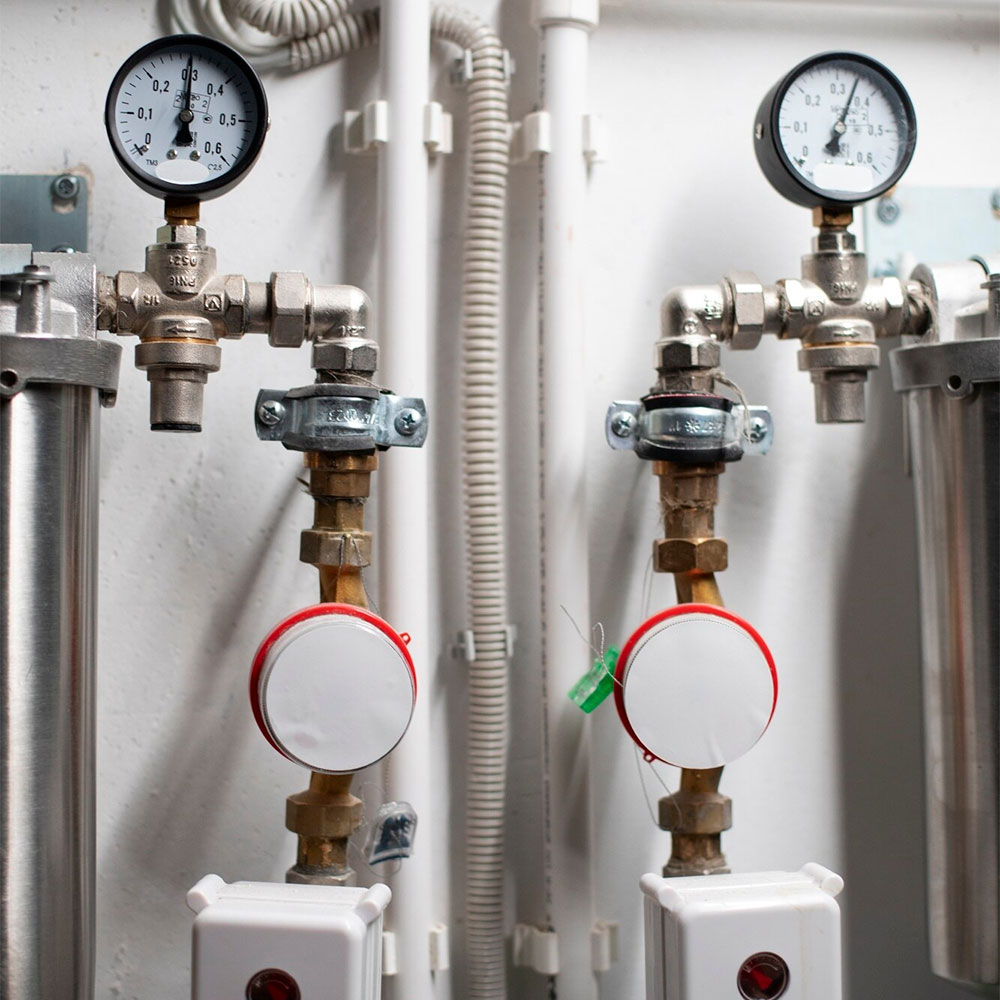
CRN: What It Means and Why It Matters in Canada If you manufacture, import, design, or install pressure equipment for the Canadian market, understanding the CRN is essential. In many cases, pressure vessels, boilers, fittings, and piping components must be registered before they can be used in a province or territory. A CRN helps confirm that the design has been reviewed and accepted by the applicable Canadian regulatory authority. For companies in Canada, the USA, and international markets, obtaining the correct registration can be a critical step in delivering equipment on schedule and avoiding costly delays. What Is a CRN? A CRN, or Canadian Registration Number, is a registration identifier issued for pressure equipment designs accepted by a provincial or territorial authority in Canada. It is commonly associated with: Pressure vessels Heat exchangers Boilers Piping systems Pressure fittings Certain valves and components The CRN indicates that the submitted design has been reviewed for compliance with applicable Canadian code and regulatory requirements. Requirements can vary by province or territory, so approval in one jurisdiction does not always mean automatic acceptance everywhere. Why Is a CRN Number Important? Legal Market Access in Canada For many categories of pressure equipment, registration is required before sale, installation, or operation in Canada. Without the proper approval, projects may face delays or rejected equipment. Demonstrates Design Review A CRN Number shows that the design package has been assessed by the relevant authority based on applicable codes and standards. Supports Project Schedules Early registration planning can help manufacturers, EPC firms, and plant owners avoid approval bottlenecks during fabrication or delivery. Builds Buyer Confidence Canadian end users often expect suppliers to understand CRN requirements and provide compliant documentation. Who Needs a CRN Number? You may need a CRN Number if you are: Manufacturing pressure equipment for Canada Exporting equipment from the USA or overseas into Canada Designing custom pressure vessels or piping systems Supplying fittings or pressure-retaining components Modifying registered equipment designs The exact requirement depends on equipment type, pressure boundary scope, code classification, and province of installation. How the CRN Registration Process Typically Works While details vary by jurisdiction, the process often includes the following steps: 1. Prepare Design Documents This may include drawings, calculations, material details, code references, and quality documentation. 2. Engineering Review Designs are checked for compliance with applicable codes such as ASME and Canadian regulatory requirements. 3. Submit to the Applicable Authority Applications are submitted to the province or territory where registration is required. 4. Respond to Comments Reviewers may request clarifications or revisions before approval. 5. Receive the CRN Number Once accepted, the design receives its registration identifier. Common Challenges with CRN Number Applications Many delays happen because of incomplete packages rather than design issues. Common problems include: Missing calculations Drawing inconsistencies Incorrect code references Material traceability gaps Unclear pressure boundary scope Submitting to the wrong jurisdiction first Working with experienced engineering professionals can significantly improve approval timelines. CRN Number Requirements Across Canada Each province and territory administers pressure equipment regulations within its jurisdiction. That means processes, forms, timelines, and acceptance rules can differ. For example, one province may request additional documentation that another does not. Some multi-jurisdiction registrations also need strategic planning to avoid duplicate effort. Because local regulations apply, it is important to confirm current requirements for the intended installation location. How MECS Engineering Helps with CRN Number Approvals MECS Engineering supports clients across Canada, the USA, and internationally with practical CRN Number registration services. Our team assists with: Design review and gap assessments Pressure vessel and piping calculations Drawing preparation and updates Multi-province CRN strategies Communication with authorities Professional Engineer support where required Related P.Eng stamping and compliance documentation Learn more about our services here: Canadian Registration Number CRN Why International Manufacturers Choose Expert Support For companies outside Canada, CRN requirements can seem highly technical at first. Local expectations, regulator comments, and documentation standards are often different from other markets. A knowledgeable engineering partner can simplify the process, reduce revisions, and help bring products to market faster. Conclusion A CRN Number is often a key requirement for supplying pressure equipment into Canada. It supports compliance, smoother project execution, and confidence from buyers and regulators. If your company needs assistance with new registrations, revisions, or multi-jurisdiction approvals, MECS Engineering provides practical support tailored to Canadian requirements. Contact our team to discuss your next CRN project.
Canadian Registration Number: Ensuring Compliance in Engineering Projects
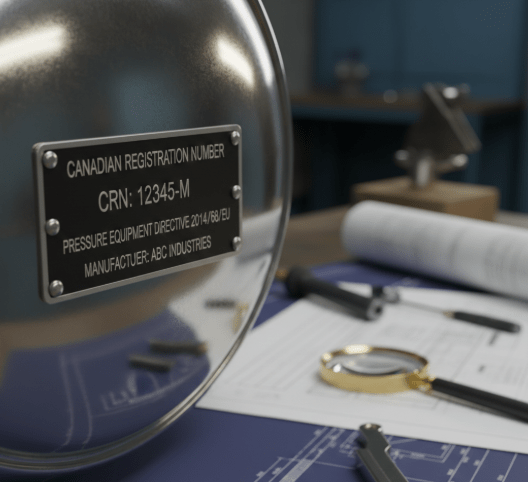
Canadian Registration Number: Ensuring Compliance in Engineering Projects Introduction A Canadian Registration Number (CRN) is an essential requirement for pressure vessels, piping systems, and other regulated equipment in Canada. This mandatory certification ensures that all pressure-retaining components are designed and manufactured to withstand specific operational stresses while adhering to the rigorous safety protocols mandated by Canadian law. Engineers and project managers rely on CRN registration to ensure designs meet provincial regulations, safety standards, and technical codes. Because requirements can vary significantly by province, it is important to work with professionals who understand local standards, technical variations, and registration procedures unique to each jurisdiction. Understanding the Canadian Registration Number What is a CRN? A Canadian Registration Number is a unique identifier assigned to designs of pressure-retaining equipment that meet provincial safety standards. The CRN confirms that a design has been reviewed and approved by the relevant provincial regulator before installation or operation. This number typically consists of a letter, four digits, a decimal point, and then up to ten digits or letters representing the provinces or territories where the design is registered. Why CRN Compliance Matters Compliance with CRN regulations is essential to avoid legal and operational risks. Operating unregistered equipment is a violation of provincial safety acts and can lead to heavy fines, immediate project shutdowns, and significant liability hazards. Beyond legalities, the registration process serves as a critical third-party audit of the engineering design. Professional engineering services ensure that all documentation, detailed drawings, and complex stress analyses meet strict regulatory requirements before submission, thereby enhancing the overall safety and reliability of the industrial infrastructure. How MECS Engineering Supports CRN Projects MECS Engineering specializes in providing engineering services for pressure vessels and piping systems, including CRN support. From design verification and stress analysis to P.Eng stamping and provincial registration, MECS ensures your projects meet safety standards and regulatory requirements efficiently. Conclusion Obtaining a Canadian Registration Number is a key step for compliance and safety in regulated engineering projects. Partnering with professional engineers who understand CRN requirements and provincial regulations ensures your designs are approved and your projects run smoothly. Contact MECS Engineering to streamline your CRN registration and access expert guidance for your next project.
Understanding CRN Numbers: A Vital Guide for Manufacturers and Engineers
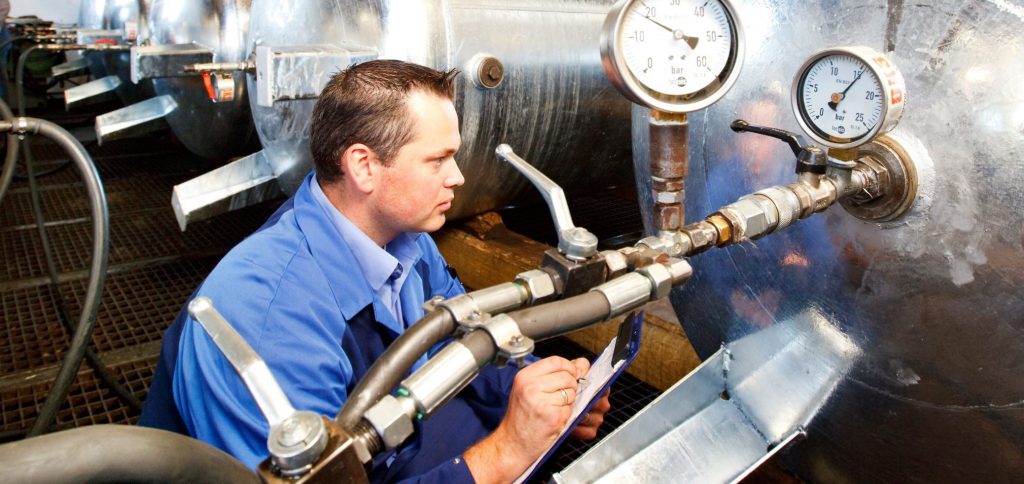
Understanding CRN Numbers: A Vital Guide for Manufacturers and Engineers In Canada, industrial systems utilizing pressure equipment are subject to rigorous safety and regulatory standards. A fundamental component of these regulations is the CRN, or CRN Number, which serves as official validation that a design has been scrutinized and approved by the relevant regulatory body. Navigating the CRN registration process is a necessity for project managers, engineers, and manufacturers dealing with piping systems, pressure vessels, and boilers. Mastering this system is key to maintaining operational safety, ensuring regulatory compliance, and preventing project setbacks across different provinces. This overview details the nature of the CRN Number, its necessity in the industry, and the standard procedures engineering teams employ for successful design registration. What Is a CRN Number? A CRN Number stands for Canadian Registration Number. It is issued by a provincial or territorial authority in Canada after reviewing pressure equipment designs to confirm they meet applicable safety codes and standards. The CRN applies to equipment such as: Pressure vessels Boilers Fittings Piping systems Heat exchangers Pressure retaining components Once a design is accepted, the CRN Number becomes a permanent reference that confirms the design complies with the applicable codes. This number is typically stamped on equipment nameplates or included in technical documentation. Many manufacturers working internationally encounter CRN requirements when supplying equipment for Canadian projects. How the CRN Number Approval Process Works While the exact process can vary by province, the overall workflow generally follows several steps. 1. Engineering Design Preparation The manufacturer or engineering consultant prepares design documentation for the equipment. This package may include: Engineering drawings Design calculations Material specifications Applicable code references Quality control documentation These documents must demonstrate compliance with recognized pressure equipment standards. 2. Professional Engineer Review In many cases, a Professional Engineer (P.Eng) must review and stamp the design documents before submission. This confirms that the engineering work meets professional standards and applicable codes. Engineering firms often provide services such as: Pressure vessel design validation Piping stress analysis Code compliance verification P.Eng stamping support 3. Submission to Provincial Authority The completed design package is submitted to the provincial regulator responsible for pressure equipment safety. Examples of regulatory bodies include organizations responsible for boilers, pressure vessels, and technical safety compliance. Requirements may vary by province, and applicants must follow local regulations. The authority reviews the documentation to confirm the design meets applicable standards. 4. Issuance of the CRN Number Once the design is accepted, the regulator issues a CRN Number for the equipment design. The number typically includes identifiers that indicate: The province where it was first registered The specific design registration sequence In many cases, the same CRN can later be registered in other provinces through a streamlined process. Provincial Differences in CRN Requirements Although the CRN Number system is used across Canada, regulatory requirements can differ between provinces and territories. For example, documentation formats, review timelines, and submission procedures may vary. Because of these differences, engineering teams often coordinate closely with local regulators. It is important to remember that: Pressure equipment regulations are enforced at the provincial level Codes such as ASME are commonly referenced but must still be accepted locally Additional documentation may be required depending on the jurisdiction Working with experienced engineers familiar with the CRN process can help prevent delays during design approval. Practical Tips for a Smooth CRN Approval A few best practices can help streamline the CRN registration process. First, ensure that the design follows recognized codes such as ASME from the beginning of the project. Second, prepare complete documentation before submission. Missing calculations or incomplete drawings are a common reason for delays. Third, confirm the requirements of the specific province where the equipment will be installed. Local regulations always apply. Finally, involve experienced engineering professionals early in the design stage, particularly when pressure equipment will be used in regulated environments.
Canadian Registration Number: What Manufacturers Need to Know
Canadian Registration Number: What Manufacturers Need to Know If you manufacture or supply pressure equipment to Canada, understanding the Canadian Registration Number is essential. Whether you are based in North America, Europe, or Asia, compliance with Canadian provincial regulations is mandatory before certain equipment can be installed or operated in Canada. This guide explains what a Canadian Registration Number is, when it is required, how the approval process works, and how MECS Engineering can simplify the path to compliance. What Is a Canadian Registration Number? A Canadian Registration Number is a unique registration string issued by a provincial or territorial regulator in Canada to indicate that the design of specific pressure equipment complies with applicable codes and safety regulations. Without a valid CRN, equipment cannot legally be installed or operated in Canada CRN generally applies to following pressure systems: Pressure vessels Boilers Heat exchangers Fittings Piping systems Unlike some countries that use a single national approval, Canada regulates pressure equipment at the provincial and territorial level. This means the requirements vary by each province and approval is granted by the local authority. When Is a Canadian Registration Number Required? A Canadian Registration Number is generally required before pressure equipment can be installed or operated in a specific province or territory. The requirement depends on: Type of equipment Pressure and volume thresholds Location of installation Applicable provincial legislation Because each province has its own regulatory framework, manufacturers must confirm requirements with the appropriate provincial regulator. For example, a pressure vessel approved in one province may not automatically be accepted in another unless it has been registered there as well. It is important to note that CRN approval relates to design registration. It does not replace other compliance obligations such as inspections, certifications, or quality control requirements. How the CRN Registration Process Works While details vary by jurisdiction, the typical Canadian Registration Number process includes the following steps: 1. Design Review and Code Compliance Engineering documentation must demonstrate compliance with applicable codes and standards. This often includes: Design calculations Material specifications Fabrication drawings Pressure and temperature ratings Code references Designs are usually based on applicable pressure vessels and piping codes such as ASME, PED, EN Codes and CSA B51. Additionally, local Canadian requirements must also be addressed. 2. P.Eng Authentication In many cases, documents submitted for CRN registration must be authenticated by a Professional Engineer of the relevant province. A Professional Engineer is licensed is responsible for ensuring the design meets applicable standards. This is where international manufacturers often require support. A Canadian licensed Professional Engineer can review, verify, and stamp documentation as required. 3. Submission to the Provincial Regulator The application package is submitted to the appropriate provincial authority. The regulator reviews the design for compliance with its legislation and safety codes. If the design is accepted, a Canadian Registration Number is issued for that jurisdiction. 4. Multi Province Registration If equipment will be used in multiple provinces, separate registrations may be required. Some jurisdictions participate in agreements that streamline multi province registration, but requirements can still differ. Careful planning at the design stage can reduce delays and rework. Common Challenges in CRN Applications Manufacturers worldwide often encounter similar issues when applying for a Canadian Registration Number: Incomplete or inconsistent calculations Drawings that do not clearly reflect code compliance Missing material traceability Incorrect assumptions about provincial acceptance Because regulations are administered provincially, small differences in interpretation can result in requests for clarification or revision. Working with engineers who understand Canadian regulatory expectations helps minimize these risks. How MECS Supports Canadian Registration Number Approvals As a professional engineering consultancy, MECS Engineering supports clients globally with CRN applications and pressure equipment compliance. Our services include: Piping design and stress analysis Pressure vessel design review Code compliance verification Preparation of CRN submission packages Professional Engineer authentication and stamping Technical liaison with provincial regulators We focus on practical compliance. That means aligning your existing design with Canadian requirements wherever possible, rather than recommending unnecessary redesign. If you are seeking support with your application, you can learn more about our dedicated Canadian Registration Number services here: mecsengineering.com/canadian-registration-number-crn Why Early Engineering Involvement Matters Engaging qualified engineers early in the design phase can significantly reduce approval timelines. Design adjustments made before fabrication are far more cost effective than modifications after submission or during inspection. For companies exporting to Canada for the first time, understanding the Canadian Registration Number process at the planning stage helps avoid delays in project execution, commissioning, and market entry. Final Thoughts on Canadian Registration Number Compliance A Canadian Registration Number is more than an administrative requirement. It is a formal confirmation that your pressure equipment design meets provincial safety expectations in Canada. Because requirements vary by province and are administered by local regulators, careful preparation and technical accuracy are essential. With the right engineering support, the CRN process becomes structured and manageable. If your organization needs guidance on Canadian Registration Number applications, code compliance, or Professional Engineer stamping, MECS Engineering is ready to assist. Contact our team to discuss your project and ensure your equipment meets Canadian regulatory requirements with confidence.
Canadian Registration Number (CRN) Guide for Engineers and Manufacturers

Canadian Registration Number (CRN) Guide for Engineers and Manufacturers The Canadian Registration Number (CRN) is a design registration identifier required for many types of pressure equipment used in Canada. Engineers, manufacturers, fabricators, and plant owners commonly encounter CRN requirements when designing, importing, or installing pressure vessels, boilers, pressure piping, fittings, and other pressure-retaining components. Understanding how CRN registration works is essential for meeting provincial and territorial safety regulations, avoiding project delays, and ensuring equipment can be legally installed and accepted during inspection. This guide explains what a Canadian Registration Number is, why it is required, which equipment is typically subject to registration, how the process works across jurisdictions, and how professional engineering support can simplify compliance for projects in Canada and the United States. What is a Canadian Registration Number (CRN)? A Canadian Registration Number (CRN) is a design registration identifier issued by a provincial or territorial pressure equipment safety authority in Canada. It indicates that the design submission has been reviewed and found to comply with the applicable codes, standards, and jurisdictional requirements (commonly CSA B51 and applicable ASME codes). CRN registration is a design registration process. It is not a replacement for other requirements that may apply, such as: shop quality program requirements (where applicable) Authorized Inspector involvement (where applicable) installation permits inspections and field verification requirements related to alterations or repairs In practical terms, CRN registration helps ensure that the equipment design package meets the minimum regulatory expectations before the equipment is installed and put into service. Why is CRN approval required? Pressure equipment can pose significant safety risks if it is not designed, fabricated, and installed correctly. Canadian regulators use CRN design registration to help ensure that key design inputs, calculations, materials, and drawings meet the adopted safety codes and standards. Common reasons CRN approval is required include: compliance with provincial and territorial safety legislation protection of workers, facilities, and the public verification that a design meets code requirements before installation legal acceptance of equipment during installation and inspection processes Which equipment typically requires a CRN? CRN requirements commonly apply to pressure-retaining equipment and components used in Canada, subject to jurisdictional rules and exemptions. Typical examples include: pressure vessels and heat exchangers boilers (including certain heating and power boiler applications) pressure piping and piping systems (depending on jurisdiction and service conditions) pressure fittings, flanges, valves, and components above specified limits expansion joints and custom pressure-containing components pressure relief devices and associated pressure-retaining parts (as applicable) Exact requirements vary by province and territory, and exemptions may apply based on pressure, volume, fluid service category, size limits, and other factors. Requirements also differ depending on whether the item is a complete assembly, a component, or a category fitting registration. For piping systems, confusion is common. Registration may apply to specific lines or systems based on service conditions and jurisdictional rules, rather than an entire facility’s piping. Provincial and territorial differences in CRN requirements Canada regulates pressure equipment at the provincial and territorial level. Each jurisdiction has its own authority and administrative processes, including submission portals, fees, and review workflows. Key points to understand: a single design may require registration in multiple jurisdictions, depending on where the equipment will be installed administrative expectations (forms, declarations, package format) can differ by jurisdiction some jurisdictions may issue registration identifiers in slightly different formats or with different internal tracking practices Many jurisdictions participate in mutual-recognition or reconciliation processes that can reduce duplicated technical review, but administrative steps and registration still typically occur for each jurisdiction. Because multi-jurisdiction registrations can become time-consuming, early planning and coordinated submissions often reduce delays. Codes and standards commonly used for CRN submissions CRN submissions typically reference recognized codes and standards adopted by the jurisdiction. Common examples include: CSA B51 (Boiler, pressure vessel, and pressure piping code) ASME BPVC Section VIII (pressure vessels) ASME B31.1 / B31.3 (power piping / process piping, where applicable) ASME Section I or Section IV (boilers, depending on service and jurisdictional classification) ASME B16 series standards (fittings, flanges, valves, pressure-temperature ratings, as applicable) The applicable code depends on the equipment type, service, and design conditions. Correct code selection and correct edition references are frequent review focus areas. What documents are typically required in a CRN design submission? While requirements vary by jurisdiction and equipment type, a typical CRN submission package may include: General Arrangement (GA) drawings, P&IDs and fabrication details bill of materials and material specifications (including code-listed materials where applicable) design conditions: design pressure, design temperature, MDMT, corrosion allowance, fluid/service, cyclic service assumptions (if applicable) code of construction and code edition/addenda references design calculations (design-by-rule, or design-by-analysis/FEA where required) weld joint details, efficiencies, and NDE assumptions (as applicable) pressure-temperature rating information (for fittings and valves, where applicable) declarations or statutory documentation for category fitting registrations (as applicable) marking and nameplate data (as applicable) supporting reports and clarifications requested by the reviewing authority Incomplete design inputs commonly lead to review questions and resubmissions. How the CRN application process works While steps differ by jurisdiction, the process generally follows a predictable workflow. Define scope and jurisdiction(s) Confirm where the equipment will be installed and which jurisdictions require registration. Prepare the design package Prepare drawings, specifications, and calculations aligned with the applicable code and CSA B51 expectations. Engineering review and professional sealing (when required) A licensed Professional Engineer may be required to review, sign, and seal supporting documents depending on jurisdiction, equipment type, and submission pathway. Engineering review supports technical completeness and code compliance, but the authority issues the CRN. Submit to the jurisdictional authority Submit the design package through the regulator or delegated safety authority portal, including required forms. Regulatory review and clarifications The authority reviews the submission. Clarification requests are common, especially for unusual geometry, non-standard materials, complex piping systems, or design-by-analysis elements. CRN issuance and recordkeeping Once accepted, the authority issues a CRN (or confirms registration). Maintain records, including jurisdictional acceptance letters and any conditions of acceptance. Fabrication, installation, and inspection After design registration, fabrication and installation proceed under applicable quality, inspection, and installation requirements. How long
What Is a CRN Number and Why It Matters for Safety in Canada
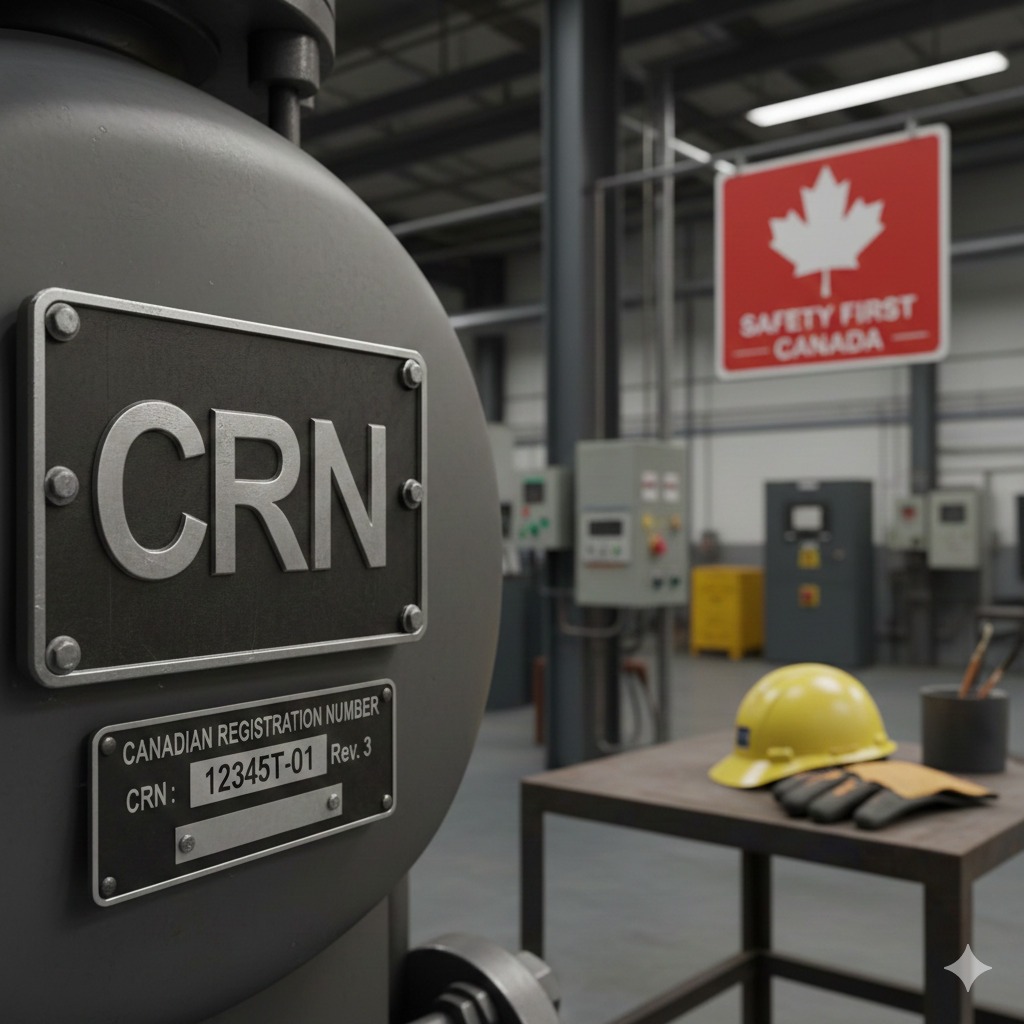
What Is a CRN Number and Why It Matters for Safety in Canada Small details on industrial equipment can sometimes feel like a puzzle, one of the most important being the CRN Number. This number is essential for ensuring safety and compliance for pressure equipment in Canada. But what exactly does it represent, and why is it so important? What Exactly is a CRN Number? The CRN, or Canadian Registration Number, is a unique identifier assigned to pressure vessels, fittings, and related equipment in Canada. It acts as the “ID” for equipment that must comply with provincial and national safety standards. Without a CRN, equipment cannot legally be installed or operated in Canada. The Importance of CRN in Operations Each Canadian province has its own registration and compliance requirements. The CRN ensures that equipment meets the relevant standards in the province where it will be used. This protects personnel, maintains safe operations, and ensures compliance with environmental and safety regulations. For engineers and operators, a valid CRN is not just a legal requirement, it’s a critical safety measure. How the CRN System Works A CRN links a specific piece of equipment to a province and confirms that the design meets the applicable codes. Each number contains information about the equipment type, the registration region, and other technical details. This system ensures that equipment is reviewed and approved before it is put into service, minimizing operational and safety risks. The Process of Obtaining a CRN Number Obtaining a CRN involves several key steps: Design Review – Submit equipment designs to an Authorized Inspection Agency (AIA) for evaluation against applicable codes. Provincial Submission – The designs are then submitted to the provincial regulator for approval. Processing times can vary by province. CRN Issuance – After approval, the CRN is issued, confirming that the equipment meets all necessary safety and regulatory requirements. Because requirements differ by province, working with experienced engineering teams, such as MECS, can simplify the process and ensure designs are compliant and properly stamped by a Professional Engineer (P.Eng.). Why the CRN Number Cannot Be Ignored Operating equipment without a valid CRN is illegal and unsafe. Unregistered equipment may fail inspections, incur regulatory fines, or create hazards for personnel and the environment. Case studies have shown that companies using unregistered equipment faced significant operational and financial penalties. Common Questions About CRN Numbers Do I Need a CRN for Every Province?Yes. Each province has unique requirements, so equipment used in multiple provinces typically needs a CRN for each jurisdiction. How Long Does CRN Approval Take?Approval timelines vary depending on the complexity of the design and the province’s review process. It can range from a few weeks to several months. Can I Use Equipment Without a CRN?No. Equipment cannot legally operate without a CRN. Doing so poses safety, legal, and financial risks. Conclusion Understanding and obtaining the CRN Number is essential for safe and compliant operation of pressure equipment in Canada. It ensures adherence to provincial and national standards, supports safe operations, and protects organizations from regulatory risks. Engaging professional engineering support, such as MECS, can streamline the process and help secure P.Eng. stamping for compliant designs, ensuring safe and legal operation from the start.
How Long Does CRN Approval Take? Timelines, Costs, and What to Expect
![Professional Engineering Consultants, engineering consulting firms, engineering services, engineering project management, engineering consultancy, engineering consulting, civil engineering consulting, civil engineering services, structural engineering consulting, structural engineering firms, industrial engineering consulting, industrial engineering solutions, environmental engineering consulting, mechanical engineering firms, aerospace engineering consulting, geotechnical engineering services, best structural engineering firm in [city], affordable civil engineering consultants for small projects](https://mecsengineering.com/wp-content/uploads/2025/08/Untitled-design-3-1024x576.jpg)
How Long Does CRN Approval Take? Timelines, Costs, and What to Expect </h1 > Home / Learning When you’re seeking a Canadian Registration Number (CRN) for your equipment design, it’s vital to act with knowledge and preparation. As a provider of professional engineering services, MECS Engineering helps clients understand the entire process—from submission to approval—so you know what to expect, how long it takes, and what the cost implications are. Typical Timelines for CRN Approval The approval timeline for a CRN can vary widely based on jurisdiction, complexity, and completeness of the submission. According to industry sources, applications can be issued in as quickly as one week, but in some cases may take up to six months or more depending on the province and backlog. A more typical timeline when working with MECS Engineering might look like this: Internal engineering review and submission prep: approximately 2–3 weeks. Initial jurisdiction review: approximately 6–10 weeks, depending on complexity and workload. Reciprocal registration in additional provinces: often another 12–16 weeks. It’s important to recognise that delays can occur if your application lacks required documentation, if there are requests for revisions, or if the jurisdiction has heavy workload. What Costs Should You Expect? Costs for obtaining a CRN also vary based on scope (single jurisdiction vs multi-jurisdiction) and design complexity. According to the Technical Standards & Safety Authority (TSSA), for national service a deposit of CAD $1,200 is required, and total fees could exceed CAD $3,500. Another source estimates: Basic registration in central Canadian jurisdictions: approx. CAD $1,500. Full Canada-wide registration: CAD $3,800 to CAD $5,000 or more. These costs reflect not only filing fees but also engineering review time, administrative costs, and possible additional revisions requested by regulators. What to Expect During the Process When engaging in CRN registration as part of your professional engineering services: Begin early: Determine if your equipment needs a CRN and which jurisdictions apply. MECS Engineering helps with this. Prepare full documentation: Drawings, calculations, quality systems, scope of registration all need to be completed. Incomplete submissions are a major cause of delay. Respond promptly to regulator queries: Every ‘request for information’ (RFI) can add weeks to the timeline. Plan for multi-jurisdiction registration: If you target several provinces, expect additional time and cost. The mutual recognition scheme helps but does not eliminate follow-up in each region. Final Thoughts Securing a Canadian Registration Number is a necessary step for operating pressure equipment legally in Canada. With MECS Engineering’s expertise in professional engineering services, you can navigate the timelines and costs with confidence. While the process can be variable, being well-prepared means fewer surprises and a smoother path to approval. With the support of MECS Engineering, you can adjust the timelines, costs and your expectations. Reach out to MECS Engineering today to know more about us.
CRN Certification Checklist: Documents You Need Before Submitting
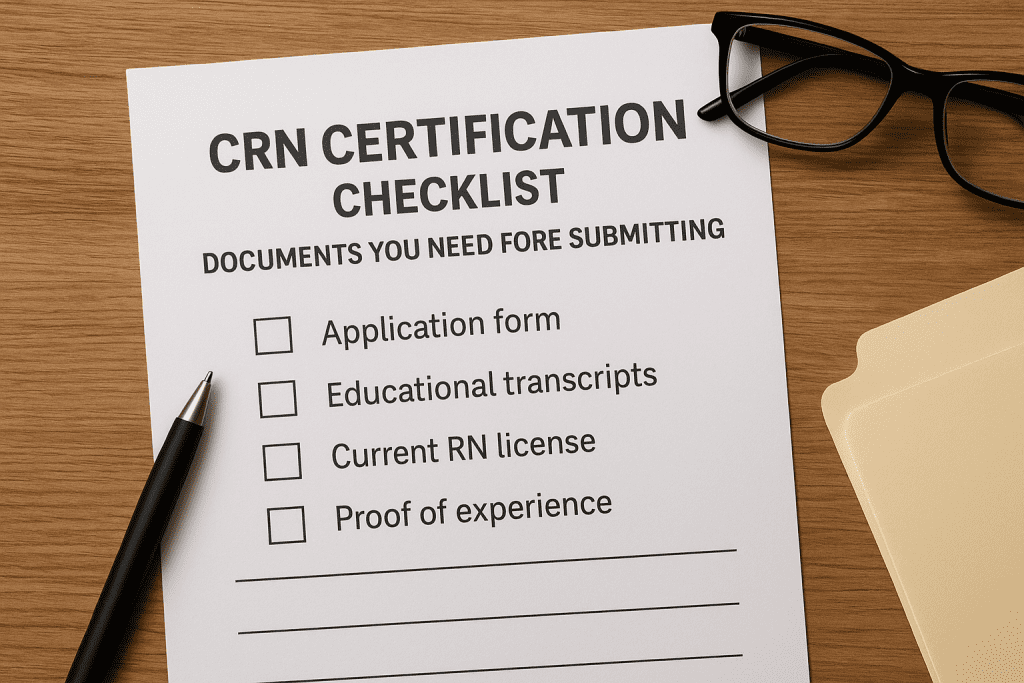
CRN Certification Checklist: Documents You Need Before Submitting Home / Learning For firms like MECS Engineering, which specialize in pressure equipment design review and compliance, submitting accurate and complete documentation is key to avoiding review delays or registration rejections. Our team helps clients navigate the CRN process efficiently from start to finish. Meaning of Canadian Registration Number A CRN is a unique identifier issued by a provincial or territorial safety authority that confirms that the design of pressure equipment (such as boilers, pressure vessels, and fittings) is compliant with Canadian safety codes. Without a valid CRN, equipment cannot legally be used or commissioned in most Canadian jurisdictions. For firms offering industrial engineering services, obtaining CRN registration is a technical and regulatory requirement—aligning your design documentation, calculations, and drawings with code requirements is non-negotiable.. Key Documents You Must Gather Before Submission To streamline your CRN certification, prepare the following essential items: Complete Design Drawings & Calculations: Signed and stamped by a licensed professional engineer. These must reflect the applicable codes (e.g., ASME, CSA) for the equipment. Scope of Registration / Product Catalogue: For fittings or repeat items, provide a list of products, sizes, and variables to be registered. Quality Program Certificate: A valid certificate showing the manufacturer’s quality management system, when required. It is a mandatory requirement for fittings. Statutory Declaration Form(s): Required for fitting categories; must be properly signed, dated, and notarized. Submission Form & Fee Payment: Complete required applications forms with correct information. If applying for Piping registration, make sure to provide PP number, if available. By organising these documents in advance, you’ll reduce back‐and‐forth and speed up approval. Important for Professional & Industrial Engineering Services As a provider of professional engineering services and industrial engineering services, MECS Engineering understands that failing to comply with CRN regulation can result in regulatory non-compliance, liability exposure or project delays. Ensuring your documentation is complete also reflects well on your engineering practice—demonstrating professionalism, technical competence and regulatory awareness. Final Tips Before You Submit Ensure your drawings and calculations reflect the correct design code and jurisdiction(s). Double-check that each required form is signed and dated appropriately. Use the official CRN Portal where applicable for electronic submission. Retain records of submission, receipt acknowledgement and follow up until registration is granted. If registering in multiple jurisdictions, note that fees and review criteria may vary. CONCLUSION Securing a CRN is not simply a bureaucratic step—it’s a benchmark that speaks to the quality of your design work and your commitment to safe operations. With MECS Engineering’s support, you can confidently navigate the CRN certification process and focus on delivering Professional industrial engineering services. Contact MECS Engineering to check whether your submission of documents is correctly submitted. And, if you are having any difficulty, we’re here for your support.
