
FEA for ASME Section VIII Div. 1 and Div. 2 Pressure Vessel Design: A Practical Guide

FEA for ASME Section VIII Div. 1 and Div. 2 Pressure Vessel Design: A Practical Guide Finite Element Analysis (FEA) is now a regular part of pressure-equipment engineering, particularly when a vessel detail, load path, or failure mode is not well represented by the usual Design-by-Rule equations. The value of FEA is not the contour plot itself. Its value is in showing, with a traceable engineering basis, how a proposed design behaves under the applicable loads and whether the relevant Code acceptance checks have been addressed. This article is based mainly on the practical guidance presented by Trevor Seipp and Mark Stonehouse in ASME PVP2014-28958. What FEA Drives in Equipment Design FEA is generally considered when the design question cannot be answered adequately by the available closed-form Code rules, or when a local detail needs a more direct assessment of stress, strain, deformation, stability, or cyclic response. Not every non-standard detail automatically requires FEA, and not every FEA model becomes a Code Design-by-Analysis assessment. The required approach depends on the geometry, loading, Code basis, and the failure mode being evaluated. Typical situations where FEA may become useful include: Non-standard nozzles, reinforcement details, branch connections, or penetrations that are not conveniently covered by the available design equations. Local loads from piping, platforms, lugs, clips, supports, lifting attachments, or other external loads that create localized shell or head stresses. Complex transitions, flat heads, thick-to-thin junctions, abrupt changes in stiffness, or geometric discontinuities where local stress distribution matters. Support regions such as skirts, saddles, legs, support rings, or attachment details where load transfer into the vessel wall needs to be understood. External-pressure or compression-dominated situations where buckling or instability may govern. Cyclic pressure, thermal cycling, or other repeated loading where fatigue or ratcheting may need to be evaluated. Thermal gradients, contact, preload, or other interactions that are difficult to represent using a simple hand calculation. The analysis can influence practical design decisions such as local wall thickness, reinforcement geometry, transition radii, support arrangement, nozzle spacing, stiffener layout, weld detail, or the allowable load envelope at a nozzle or attachment. In that sense, FEA can become a design tool, not only a final verification step. For a Division 1 Vessel, FEA Does Not Replace Existing Division 1 Rules A useful point from Seipp and Stonehouse is that FEA should not be treated as a way to bypass an existing Division 1 design rule. Where Division 1 provides an applicable rule for the detail being designed, that rule remains part of the construction basis. Where complete design details are not provided, the paper points to Article U-2(g). In that situation, the Manufacturer is responsible for providing design and construction details intended to be as safe as those covered by the Division, subject to the acceptance required by the Code. An FEA may form part of that engineering justification. The paper further recommends that, when FEA is used to support a Division 1 vessel, the Design-by-Analysis methodology of Division 2, Part 5 be used where applicable. For an elastic analysis, the authors recommend retaining the Division 1 allowable stresses from Section II, Part D for the applicable product form. The exact application should still be checked against the governing Code edition, project specification, Inspector requirements, and the expectations of the applicable jurisdiction or registration authority. What Is Design by Analysis (DBA) under ASME Section VIII, Division 2, Part 5 Design by Analysis is a structured way of demonstrating protection against specific failure modes. Instead of asking only whether the maximum plotted stress is below one allowable value, the Part 5 philosophy asks a different question: what failure mechanism is being considered, what analysis method is suitable for that mechanism, and what margin against that failure is required? In the 2013 edition discussed by Seipp and Stonehouse, the central Part 5 checks are: Protection against Plastic Collapse – Part 5.2 Protection against Local Failure – Part 5.3 Protection against Buckling – Part 5.4 Protection against Failure from Cyclic Loading – Part 5.5 Protection against Plastic Collapse – Part 5.2 The objective is to demonstrate that the component has adequate resistance to gross plastic deformation or collapse for the required load combinations. The paper identifies three analysis routes in the cited edition: Elastic stress analysis method Limit-load method Elastic-plastic stress analysis method The selected route changes how the FEA results are interpreted. For example, an elastic route relies on stress classification and the applicable stress limits, while a limit-load or elastic-plastic route evaluates collapse in a different way. A report should therefore state which route is being used and why it is suitable for the design question. Protection against Local Failure – Part 5.3 Local failure addresses highly localized material response that may occur even when the component is not approaching gross collapse. The paper identifies elastic and elastic-plastic assessment routes. It also notes that the mesh suitable for plastic-collapse assessment may not necessarily be adequate for local-failure assessment, because local strain and stress gradients can require greater resolution in the critical region. Protection against Buckling – Part 5.4 Buckling becomes relevant where compressive stress states or external-pressure effects can produce instability. The paper describes several approaches in the cited edition, ranging from bifurcation buckling to nonlinear analysis with geometric nonlinearity and explicit imperfections. The appropriate method depends on the problem being assessed. One practical review point is model symmetry. Seipp and Stonehouse recommend caution with symmetry models for buckling because a partial model can suppress a non-symmetric mode that would be possible in the full structure. Where buckling is applicable, the model should be capable of representing the relevant mode shapes and the assumptions used should be explained. Protection against Failure from Cyclic Loading – Part 5.5 Cyclic loading is treated differently from a one-time collapse check. The paper describes fatigue screening followed, where required, by a fatigue assessment using the applicable method. The cited edition includes elastic stress, elastic-plastic strain, and structural-stress approaches for welds. The paper also notes that protection against ratcheting needs to
How to Choose the Right Piping Engineering Company for Your Project
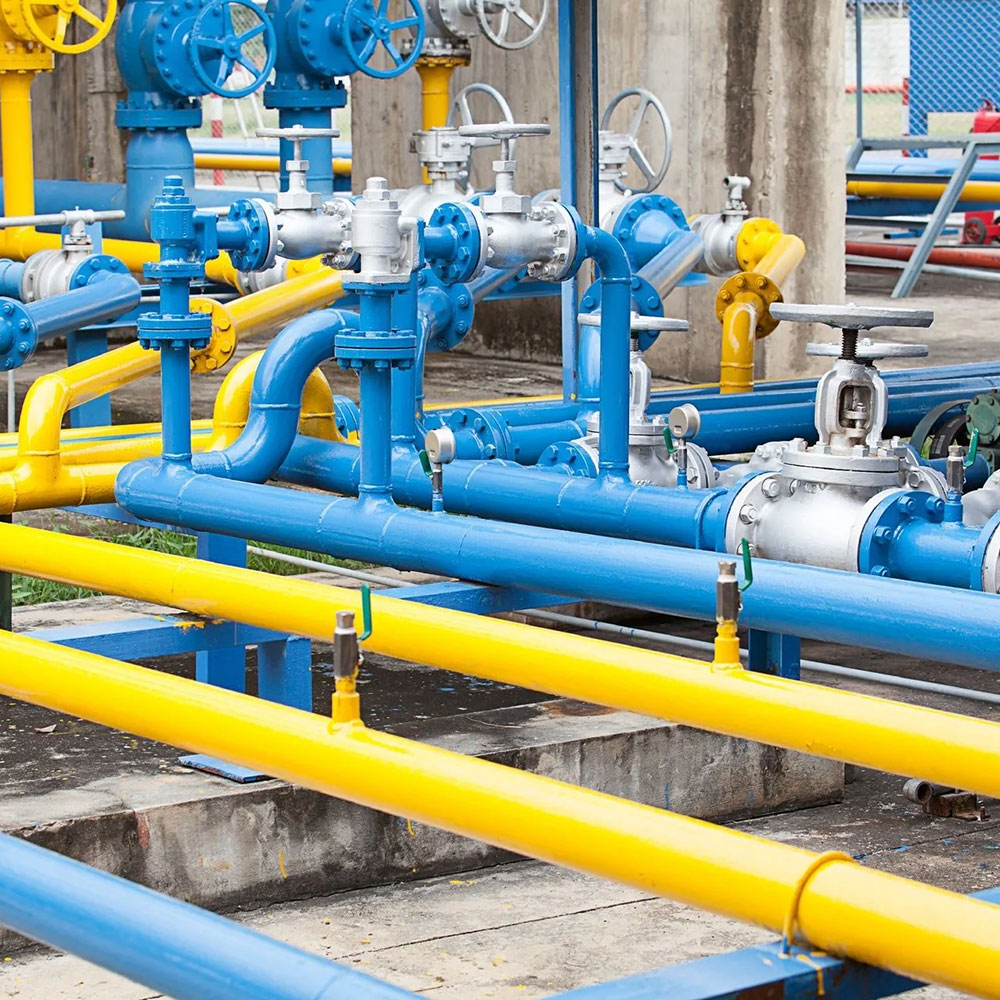
How to Choose the Right Piping Engineering Company for Your Project Industrial piping systems are at the heart of many facilities, from manufacturing plants and energy projects to chemical processing and water treatment operations. A well-designed piping system supports safe operations, reliable performance, and long-term efficiency. That is why selecting the right piping engineering company is an important decision for any project. Whether you are planning a new facility, expanding an existing plant, or upgrading critical infrastructure, experienced engineering support can help reduce risk, improve constructability, and support compliance with applicable codes and regulations. What Does a Piping Engineering Company Do? A piping engineering company provides technical expertise for the design, analysis, and evaluation of industrial piping systems. The scope of work can vary depending on project requirements but often includes: Piping design and layout development Piping stress analysis Pipe support design Pressure equipment integration Engineering calculations and documentation 3D modeling and drafting Code compliance reviews Construction and fabrication support The goal is to develop piping systems that operate safely while meeting performance, maintenance, and operational requirements. Why Specialized Piping Engineering Matters Safety and Reliability Industrial piping systems frequently operate under pressure, temperature fluctuations, and dynamic loading conditions. Engineering analysis helps ensure that systems can safely withstand these operating conditions throughout their service life. Without proper design review, piping systems may experience excessive stress, vibration, support failures, or equipment loading issues. Improved Project Efficiency Well-planned piping layouts help reduce construction challenges, improve maintenance access, and minimize costly field modifications. Early engineering involvement can also improve coordination between mechanical, structural, process, and fabrication teams. Compliance with Industry Standards Many piping systems must comply with recognized standards such as ASME B31.1, ASME B31.3, or other applicable codes. In Canada, some projects may also involve CRN-related requirements and Professional Engineer review depending on the equipment and jurisdiction. Requirements vary by province, state, and local authority, making project-specific engineering review essential. Key Services to Look for in a Piping Engineering Company Piping Design and Layout A strong engineering partner should be able to develop practical piping routes that balance safety, accessibility, constructability, and operational efficiency. Proper routing decisions can significantly impact installation costs and long-term maintenance requirements. Piping Stress Analysis Stress analysis is a critical part of piping engineering. It evaluates how a system responds to loads such as: Internal pressure Thermal expansion and contraction Equipment nozzle loads Dead weight loads Wind and seismic forces This analysis helps identify areas where flexibility, support modifications, or design changes may be needed. Pressure Equipment Support Many industrial projects involve pressure vessels, heat exchangers, tanks, and related equipment. A qualified piping engineering company should understand how piping systems interact with these assets and how loads affect equipment performance. Regulatory and Compliance Support For projects involving pressure equipment in Canada, engineering support may include CRN registration assistance, design reviews, and Professional Engineer stamping where required. Understanding local regulatory expectations can help avoid approval delays and project disruptions. What Sets a Good Piping Engineering Company Apart? Not all engineering firms offer the same level of expertise. When evaluating a partner, consider factors such as: Industry Experience Experience with industrial facilities, pressure systems, and fabrication practices often leads to more practical engineering solutions. Multidisciplinary Knowledge Piping systems interact closely with structural, mechanical, and process systems. Firms with multidisciplinary capabilities can provide better project coordination. Focus on Practical Solutions The best engineering recommendations are not only technically correct but also realistic to implement in the field. Clear Communication Well-organized documentation and responsive communication help keep projects moving efficiently. How MECS Supports Industrial Piping Projects MECS provides professional engineering services for industrial clients throughout Canada, the USA, and international markets. Our capabilities include: Piping system design Piping stress analysis Pipe support engineering Pressure equipment engineering CRN support services Professional Engineer stamping where required Technical documentation and drafting support By combining engineering expertise with practical project experience, MECS helps clients develop safe, efficient, and code-compliant solutions. Conclusion Choosing the right piping engineering company can have a significant impact on project safety, compliance, and long-term performance. From piping design and stress analysis to regulatory support and engineering review, experienced professionals help ensure that systems perform as intended throughout their lifecycle. MECS provides practical engineering solutions tailored to industrial projects across Canada, the USA, and worldwide. Contact our team to discuss your piping engineering requirements and learn how we can support your next project.
Engineering Services for Reliable Industrial Projects
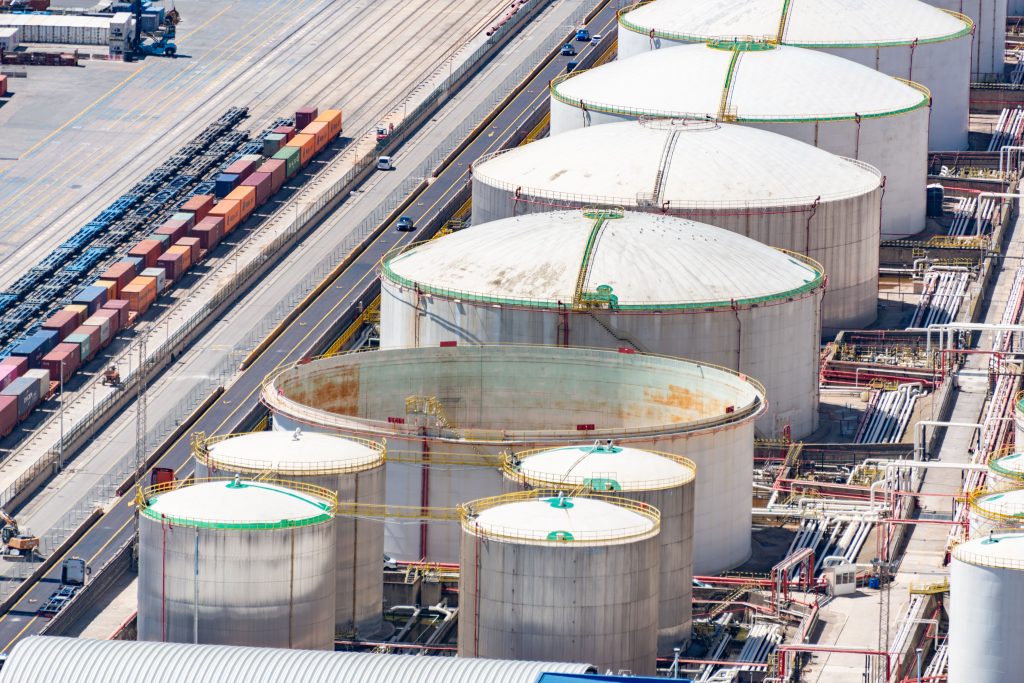
Engineering Services for Reliable Industrial Projects Industrial projects depend on more than drawings and calculations. Successful execution requires practical planning, code compliance, coordination between disciplines, and engineering decisions that support long term reliability. That is where professional Engineering Services play an important role. From piping systems and pressure equipment to structural analysis and design registration support, engineering services help manufacturers, plant owners, and EPC companies move projects forward with confidence. For companies operating in Canada, the USA, and international markets, working with an experienced engineering partner can improve project efficiency while helping meet applicable regulatory and operational requirements. What Are Engineering Services? Engineering Services refer to technical and professional support provided throughout the lifecycle of an industrial project. These services may include: Mechanical and piping design Piping stress analysis Structural engineering support Pressure vessel calculations CRN registration assistance Professional Engineer review and stamping Drafting and 3D modeling Code compliance assessments The exact scope depends on the industry, project size, and jurisdictional requirements. Why Engineering Services Matter Improving Safety and Reliability Industrial systems often operate under high pressure, elevated temperatures, or demanding environmental conditions. Proper engineering review helps identify design risks before fabrication or installation begins. For example, piping stress analysis can help prevent excessive nozzle loads, vibration issues, or thermal expansion problems that could affect equipment performance. Supporting Regulatory Compliance Projects across Canada and the USA are frequently subject to industry codes, standards, and provincial or state regulations. In Canada, pressure equipment projects may also require CRN registration depending on the application. Requirements can vary by province and local authority, so it is important to confirm the specific obligations for each project location. Reducing Delays and Rework Engineering coordination early in the project can reduce fabrication changes, installation conflicts, and approval delays later in the process. Clear calculations, accurate drawings, and organized documentation often help projects move more efficiently through procurement and regulatory review. Common Engineering Services Used in Industrial Projects Piping Design and Stress Analysis Piping systems must safely manage pressure, temperature, and operational loads. Engineering reviews help ensure systems remain flexible, properly supported, and compliant with applicable codes. This is especially important for steam systems, process piping, and critical equipment connections. CRN Registration Support Many pressure-retaining items used in Canada require Canadian Registration Number approval before installation. Engineering support may include: Design calculations Drawing preparation Code compliance review Submission coordination with provincial regulators For international manufacturers, understanding Canadian registration requirements can be particularly important when entering the market. Professional Engineer Review Certain projects require review or authentication by a licensed Professional Engineer depending on local regulations and project scope. Professional engineering oversight helps confirm that designs align with applicable standards and engineering practices. Structural and Equipment Support Design Industrial facilities rely on properly designed supports for piping, vessels, skids, and related systems. Structural analysis helps verify that supports can safely manage operational and environmental loads. Engineering Services in Canada and the USA Engineering requirements can differ significantly between jurisdictions. Canadian projects may involve provincial regulators, CRN requirements, and Professional Engineer licensing obligations. In the USA, project requirements may vary by state, client specification, and industry sector. Because regulations and approval pathways differ, companies benefit from engineering teams familiar with both technical standards and practical project execution. How MECS Supports Industrial Clients MECS provides professional Engineering Services for industrial projects across Canada, the USA, and international markets. Our services include: Piping and mechanical design Piping stress analysis CRN support and design registration Pressure equipment engineering Structural engineering support Professional Engineer stamping where required Drafting and technical documentation MECS works with manufacturers, fabricators, EPC firms, and plant owners across multiple industries, helping clients address both technical and regulatory challenges. Choosing the Right Engineering Partner Selecting an engineering consultant is not only about technical software capability. Practical industry knowledge, communication, and understanding of real project constraints are equally important. A strong engineering partner should provide: Clear technical documentation Practical recommendations Responsive communication Familiarity with relevant codes and standards Support through design and approval stages This helps projects stay aligned with schedule, safety, and operational goals. Conclusion Professional Engineering Services help industrial projects operate safely, efficiently, and in compliance with applicable regulations. From piping stress analysis and structural support design to CRN registration assistance, the right engineering support can reduce risk and improve project outcomes. MECS provides practical engineering solutions tailored to industrial clients in Canada, the USA, and worldwide. Contact our team to discuss how we can support your next project.
Ensuring Efficient and Safe Designs Through Engineering Services

Ensuring Efficient and Safe Designs Through Engineering Services Overview Professional engineering services are vital for creating designs that are compliant, safe, and efficient across multiple sectors. Expert guidance guarantees that projects adhere to regulatory mandates and technical criteria, whether the task involves stress analysis, piping system management, or the preparation of design records for official review. Reliable services are indispensable for seamless project execution, particularly when addressing the intricate hurdles of project approvals and design compliance. MECS Engineering: Supporting Your Goals MECS Engineering provides an array of services, including CRN registration support, P.Eng stamping, stress analysis, and piping design. By merging regulatory expertise with technical skill, MECS assists partners in finalizing projects within budget and on schedule while strictly following all applicable standards. Key Service Offerings Analysis of Stress and Piping Design Safety and operational effectiveness in piping design depend on meticulous planning. Through expert engineering services, projects receive comprehensive design validation, material choosing, and stress assessments. These steps verify that systems can handle pressure, thermal expansion, and operational stresses while remaining aligned with industry standards and codes. Design Registration and CRN Guidance Registration with regional authorities is frequently mandatory for piping systems and pressure vessel designs. Engineering providers offer support for Canadian Registration Numbers (CRN), assisting businesses in maneuvering through state and provincial rules. This precision in registration helps prevent expensive setbacks and maintains legal standing. Stamping by a Professional Engineer (P.Eng) A licensed Professional Engineer must often review and stamp designs for industrial ventures. These services deliver P.Eng stamping to certify that designs fulfill regulatory and technical benchmarks, which is a vital requirement for safety integrity, construction permits, and consistent long-term operation. The Importance of Professional Expertise Utilizing specialized engineering services boosts productivity, minimizes hazards, and strengthens regulatory adherence. Skilled engineers use their technical knowledge to provide functional solutions, spot complications early, and assess the feasibility of a design. Dedicated consultants can also simplify interactions with oversight bodies to ensure designs satisfy specific state or provincial needs. Final Thoughts Expert engineering services represent a critical investment in the efficiency, safety, and compliance of any project. Working with seasoned professionals ensures your designs are authoritative, thoroughly recorded, and officially sanctioned. Reach out to MECS Engineering for specialized support crafted for your specific project requirements.
Engineering Services in Canada and USA: What Businesses Need to Know

Engineering Services in Canada and USA: What Businesses Need to Know Engineering projects in Canada and the United States operate within well defined technical and regulatory frameworks. Professional Engineering Services are not only about design calculations. They involve regulatory awareness, documentation, coordination with authorities, and professional accountability. Understanding how these services work in practice helps you make informed decisions and avoid costly delays. Engineering Services typically include: Mechanical and piping design Stress analysis and flexibility studies Pressure equipment design and review Code compliance verification Design registration and CRN support P.Eng review and stamping In both Canada and the USA, projects involving public safety or regulated equipment often require oversight by a licensed Professional Engineer. In Canada, this means a P.Eng licensed by a provincial regulator. In the USA, licensing is handled at the state level. Working with a qualified engineering consultancy ensures that your project meets applicable codes such as ASME standards and local jurisdictional requirements. Regulatory Environment in Canada In Canada, engineering is regulated provincially. Each province has its own engineering association that governs licensing and practice standards. A Professional Engineer must be licensed in the province where the work is being carried out. For pressure equipment and piping systems, additional requirements often apply: CRN Registration A Canadian Registration Number, or CRN, is required for many pressure retaining components used in most provinces. CRN approval confirms that the design meets applicable safety codes. Requirements and review processes vary by province, so early planning is essential. P.Eng Stamping Design documents submitted for regulatory approval or construction frequently require a P.Eng stamp. This indicates that a licensed engineer has reviewed and taken professional responsibility for the work. Because provincial requirements differ, businesses operating in multiple provinces must ensure compliance in each jurisdiction. Regulatory Environment in the USA In the United States, engineering licensure is managed at the state level. A Professional Engineer must be licensed in the state where the project is located. For industrial facilities, compliance may involve: ASME Boiler and Pressure Vessel Code B31 piping codes State specific building and safety regulations Client specific engineering standards While CRN is not used in the USA, pressure vessel and piping compliance still requires careful design review, documentation, and in many cases PE stamping. Local regulations always apply, and requirements can vary significantly by state. Our Professional Engineering Services involves: Detailed Piping Design Accurate 3D modeling and layout planning reduce clashes and installation challenges. Good design also considers thermal expansion, vibration, and operational loads. Piping Stress Analysis Stress analysis ensures that piping systems comply with applicable codes and can withstand internal pressure, temperature changes, and external loads. This is especially important for high temperature or high pressure systems. Code Compliance and Documentation Regulatory bodies require clear documentation, calculations, and drawings. An experienced engineering consultancy prepares submission packages that align with provincial or state requirements. Design Registration and Authority Support For projects requiring CRN or other approvals, coordinated communication with regulators can streamline the review process and reduce revisions. Choosing the Right Engineering Services Provider When selecting an Engineering Services partner in Canada or the USA, consider: Experience with ASME and applicable codes Familiarity with provincial and state regulators Proven capability in piping design and stress analysis Ability to provide P.Eng or PE stamping where required Clear documentation and communication practices An engineering consultancy should not only perform calculations but also guide you through compliance steps and help you understand your obligations. How MECS Engineering Supports Your Projects At MECS Engineering, Professional Engineering Services are focused on practical, code compliant solutions for industrial clients across Canada and the USA. Our services include: Piping design and 3D modeling Advanced piping stress analysis Pressure equipment design support CRN assistance for Canadian jurisdictions P.Eng stamping and professional review We work closely with clients to ensure designs meet applicable codes and local regulations. Our team understands that requirements vary by province and state, and we tailor our approach accordingly. To learn more about our capabilities, visit our Engineering Services page at mecsengineering.com and explore how we support compliant, efficient project delivery. Conclusion Engineering Services play a central role in ensuring safety, compliance, and operational reliability in Canada and the USA. From P.Eng stamping and CRN registration in Canada to state level PE requirements in the United States, regulatory awareness is as important as technical expertise. If you are planning a new installation, equipment upgrade, or regulatory submission, contact MECS Engineering to discuss how our Engineering Services can support your project from design through approval.
How to Choose the Right Piping Engineering Company for Industrial Projects
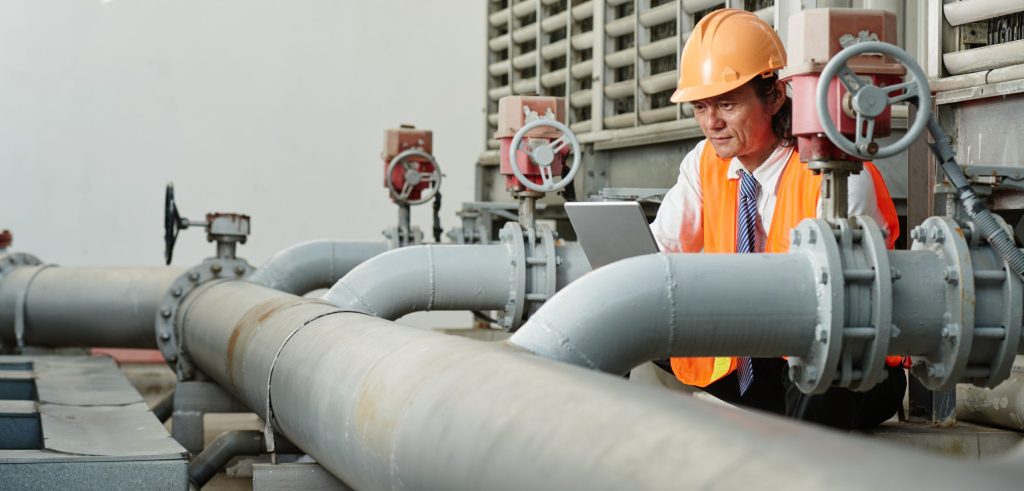
How to Choose the Right Piping Engineering Company for Industrial Projects Industrial facilities rely on piping systems for the safe and efficient transport of liquids, gases, and steam. These systems are critical to plant operation, but they also carry significant technical and regulatory responsibilities. Poor piping design can lead to stress failures, leakage, downtime, safety risks, and costly project delays. That is why choosing the right piping engineering company is an important decision for any industrial project. An experienced engineering partner helps ensure that piping systems are designed properly, analyzed correctly, and aligned with applicable codes and jurisdictional requirements. Whether the project involves a new installation, a plant expansion, or modifications to an existing system, qualified piping engineers play a key role in supporting safety, compliance, and long-term performance. What a piping engineering company does A professional piping engineering company provides specialized engineering support for the design, analysis, review, and regulatory compliance of piping systems. Their involvement may begin at the concept stage and continue through detailed engineering, documentation, design review, and registration support. Typical services include: Piping system design Piping design includes the development of layouts, line routing, material specifications, pipe sizing, and coordination with connected equipment and structures. Good design must consider pressure, temperature, corrosion, flexibility, support locations, maintenance access, and constructability. A well-planned piping system reduces the likelihood of rework during fabrication and installation and helps improve long-term reliability in operation. Piping stress analysis Piping systems are exposed to various loads during operation, including internal pressure, thermal expansion, dead weight, vibration, wind, and equipment nozzle loads. Piping stress analysis evaluates how the system behaves under these conditions and confirms whether it meets the requirements of the applicable code. Without proper analysis, excessive stress can damage piping, overstress connected equipment, or lead to fatigue and failure over time. This is one of the most important technical areas in industrial piping engineering. Code compliance and design registration support Industrial piping systems must often comply with recognized codes and standards. Depending on the project location, this may also involve design registration and submissions to the applicable authority. An experienced piping engineering company supports this process by preparing calculations, reviewing drawings, organizing supporting documentation, and helping ensure the submission meets jurisdictional expectations. This reduces the risk of delays, comments, and resubmissions. Professional engineering review and stamping Many industrial projects require engineering documents to be reviewed and authenticated by a licensed Professional Engineer in the applicable jurisdiction. This may apply to design packages, calculations, stress reports, and other technical documents. Working with a qualified engineering firm helps ensure that the review process is handled properly and that documentation is prepared to an appropriate professional standard. Why piping engineering matters in industrial projects Piping is not just a layout exercise. It is an engineering discipline that directly affects safety, operability, maintenance, and compliance. In industrial environments, piping systems often operate under demanding conditions such as high pressure, elevated temperature, thermal cycling, corrosive media, or vibration. If these factors are not addressed correctly during the engineering stage, the result may be costly modifications, field problems, equipment damage, or regulatory issues later in the project. A capable piping engineering company helps project teams identify these risks early and address them through sound engineering design and analysis. Industries that commonly require piping engineering expertise Specialized piping engineering services are needed across many industrial sectors, including: Oil and gas facilities Chemical and petrochemical plants Power generation projects Manufacturing and process plants Utility and water treatment systems Steam and thermal fluid systems Each industry has its own technical and regulatory challenges. For example, chemical service may require careful attention to corrosion and material compatibility, while high-temperature systems may require detailed flexibility and support analysis. A qualified piping engineering company understands how these project conditions affect design requirements. What to look for in a piping engineering company Not all engineering firms offer the same level of piping expertise. When selecting a piping engineering company, it is important to look beyond general design capability and evaluate whether the firm has the technical depth and regulatory experience needed for industrial work. Key factors to consider include: Experience with industrial piping systems similar to your project Capability in piping stress analysis and load evaluation Knowledge of applicable piping codes and standards Familiarity with local registration and jurisdictional requirements Access to licensed Professional Engineers for review and stamping Ability to provide practical, construction-aware engineering solutions A strong engineering partner should be able to support both the technical and compliance aspects of the project, not just prepare drawings. The value of regulatory and registration experience One area often overlooked by project owners is the importance of jurisdictional knowledge. In many cases, industrial piping systems and related pressure equipment must meet province- or state-specific requirements. Documentation that may be technically sound still needs to be organized and submitted in a way that aligns with the expectations of the reviewing authority. This is where an experienced engineering consultancy adds real value. Firms that regularly support design registration and compliance can help avoid unnecessary delays and improve the overall efficiency of the approval process. How MECS Engineering supports industrial piping projects MECS Engineering provides professional engineering consulting services for industrial clients requiring piping design review, stress analysis, code compliance support, CRN-related services, and engineering review. With experience supporting industrial projects across different sectors and jurisdictions, MECS helps clients address both technical and regulatory requirements with a practical and professional approach. For industrial projects, choosing the right engineering partner is not only about completing calculations or producing drawings. It is about working with a team that understands how design decisions affect safety, compliance, constructability, and long-term performance. Conclusion Choosing the right piping engineering company can have a direct impact on the success of an industrial project. From piping layout and stress analysis to compliance support and professional review, the right firm helps reduce risk and improve confidence in the final design. For project owners, contractors, and manufacturers, the benefit of experienced piping engineering support is clear: safer
Engineering Services for Reliable Industrial Projects in Canada and USA

Engineering Services for Reliable Industrial Projects in Canada and USA Engineering services play a critical role in the safety efficiency and long term success of industrial projects across Canada and the USA. From early concept design to regulatory approval and execution companies rely on experienced engineering partners to meet technical requirements while staying compliant with local codes and standards. For organizations operating in energy manufacturing chemicals and process industries choosing the right professional engineering services and consultancy can reduce risk, improve project timelines and support confident decision making. What Engineering Services Mean in a North American Context In Canada and the USA engineering services go beyond calculations and drawings. They involve regulated professional practice governed by provincial and state authorities. Requirements can vary by province or state and local regulations always apply. Professional engineering services typically include design analysis documentation and review performed or supervised by a licensed Professional Engineer. In Canada this often involves P Eng oversight while in the USA similar licensure requirements apply at the state level. Core Engineering Services Offered by Professional Consultancies A qualified engineering consultancy supports projects across multiple stages. Common services include the following. Piping Design and Layout Accurate piping design ensures safe flow efficient operation and maintainability. Engineers consider process requirements equipment interfaces and applicable codes such as ASME while adapting designs to site conditions. Stress Analysis and Flexibility Studies Stress analysis helps verify that piping systems can withstand thermal expansion pressure and external loads. This is essential for preventing fatigue leaks and long term reliability issues in operating plants. CRN Support and Design Registration In many Canadian provinces pressure equipment requires a Canadian Registration Number. Engineering services include preparation of calculations drawings and coordination with provincial regulators. Requirements vary by province and early planning helps avoid delays. P Eng Stamping and Engineering Review Professional Engineer stamping confirms that designs meet regulatory and safety requirements. This step is often mandatory for submission to authorities, owners and insurers. Multidisciplinary Engineering Support Engineering consultancies often integrate mechanical piping and process engineering to provide coordinated solutions that align with project goals and operational constraints. Why Businesses in Canada and USA Need Professional Engineering Services Industrial projects in North America face strict compliance expectations. Working with a professional engineering services provider helps organizations. Meet regulatory and safety requirements with confidence Reduce risk related to design errors and non compliance Improve coordination between design construction and operations Support approvals from provincial and state regulators Protect long term asset integrity and performance Many project challenges arise not from lack of effort but from unclear requirements or late involvement of engineering expertise. Early engagement with a qualified consultancy often leads to smoother project delivery. Choosing the Right Engineering Services Partner When selecting an engineering services provider in Canada or the USA consider the following factors. Experience with similar industrial facilities and systems Understanding of local codes standards and approval processes Ability to provide P Eng oversight and regulatory support Clear communication and practical engineering approach A strong partner focuses on what clients need in practice rather than overcomplicating solutions. How MECS Engineering Supports Industrial Clients MECS Engineering provides professional engineering services and consultancy tailored to industrial projects across Canada and the USA. The team supports clients with piping design stress analysis CRN documentation and P Eng stamping while keeping regulatory requirements clear and manageable. By combining technical depth with practical project experience MECS helps organizations move from concept to approval with confidence. Learn more about their full range of engineering services by visiting the MECS Engineering website at https://mecsengineering.com. Final Thoughts on Engineering Services Engineering services are not just a project requirement. They are a strategic investment in safety compliance and long term performance. For companies operating in Canada and the USA working with an experienced professional engineering consultancy helps ensure that designs meet regulatory expectations and support reliable operations. If your project requires trusted engineering services for piping systems stress analysis or regulatory approval now is the right time to engage a qualified partner. Explore how MECS Engineering can support your next project and help you move forward with confidence.
Piping in Canada and Why a CRN Number Matters
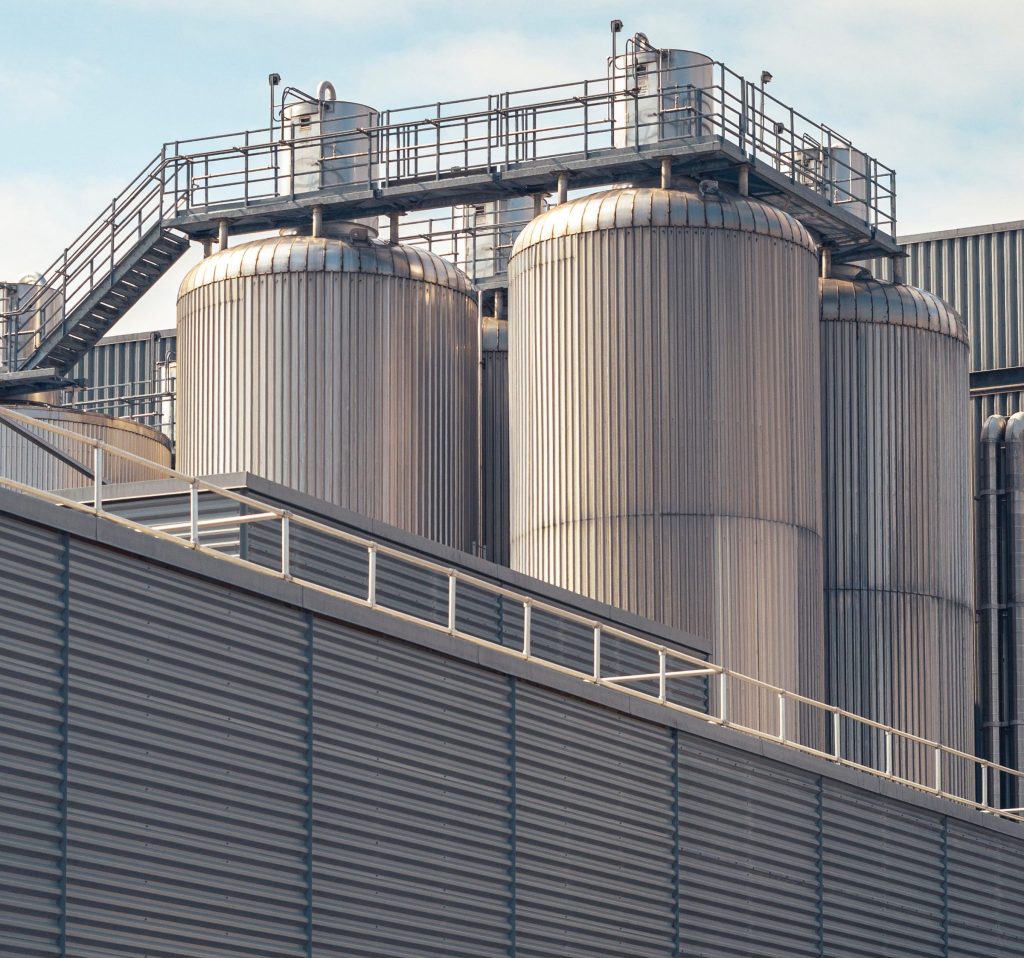
Piping in Canada and Why a CRN Number Matters Across Canada, pressure piping and other pressure equipment must meet provincial safety requirements. One of the most important compliance items is the Canadian Registration Number (CRN), which confirms that a pressure equipment design has been accepted by a Canadian jurisdiction’s regulator. For companies executing piping projects in Canada, understanding when CRN registration applies and planning for it early can prevent schedule delays and costly rework. What is a CRN Number? A CRN is a unique identifier issued by a Canadian jurisdiction (province or territory) to indicate that a pressure equipment design has been reviewed and registered in accordance with applicable Canadian requirements. Depending on the scope, CRNs may apply to items such as pressure vessels, fittings, valves, and certain piping systems or assemblies. Because pressure equipment regulation is handled at the provincial/territorial level, registration is jurisdiction-specific. A design registered in one province may require registration in other provinces where the equipment will be manufactured, installed, or operated. Why CRN Planning Matters for Piping Projects in Canada For piping projects, CRN-related requirements can affect: procurement (purchasing “CRN-ready” components versus custom items needing registration) fabrication and inspection planning installation schedule and turnover documentation If a CRN is required and the design is not registered in time, projects can be delayed at the fabrication, installation, or commissioning stage. Early clarity on the registration scope (what needs a CRN and in which jurisdictions) is often the simplest way to protect schedule and budget. Jurisdictional Expectations and CRN-Related Piping Stress Review Regulator expectations can differ across Canada. For example, Alberta (ABSA) and Ontario (TSSA) may have different submission conventions, review focus areas, and documentation preferences. For pressure piping, regulators and authorized inspection agencies typically expect engineering packages that clearly demonstrate code compliance (commonly ASME B31.3/B31.1 or other applicable B31 codes, depending on service). Where applicable, a piping stress analysis is often part of demonstrating: adequate flexibility and thermal expansion control sustained and occasional load compliance support and restraint philosophy equipment nozzle load management (where required by the equipment vendor or project specifications) A well-prepared CRN submission avoids gaps such as unclear design conditions, incomplete material traceability, inconsistent code references, or missing stress justification where it is needed. How MECS Engineering Supports CRN Compliance MECS Engineering supports clients across Canada by aligning piping design documentation with regulator expectations and project realities. Our team routinely coordinates with jurisdictions such as ABSA and TSSA and helps clients reduce back-and-forth during review. Typical support includes: scope definition for CRN planning (what must be registered, and where) design review and compliance checks for pressure piping and related pressure equipment piping stress review/analysis support where required for compliance or risk reduction preparation and completion of submission packages and responses to regulator comments Why MECS Engineering MECS Engineering provides end-to-end support for pressure piping and pressure equipment compliance in Canada, with a practical focus on “getting it accepted” while protecting the project schedule. By addressing jurisdiction-specific requirements early, we help clients avoid common causes of CRN delays such as incomplete design conditions, documentation gaps, or inconsistent engineering basis. Summary CRN registration is more than paperwork—it is a critical compliance step that protects safety, reduces project risk, and supports smooth fabrication, installation, and inspection. If you are executing a piping project in Canada and need clarity on CRN scope or support with submissions, MECS EngineeringMECS Engineering can help you move from design to approval with fewer surprises.
Piping Engineering: Streamlining Industrial Systems with Expertise
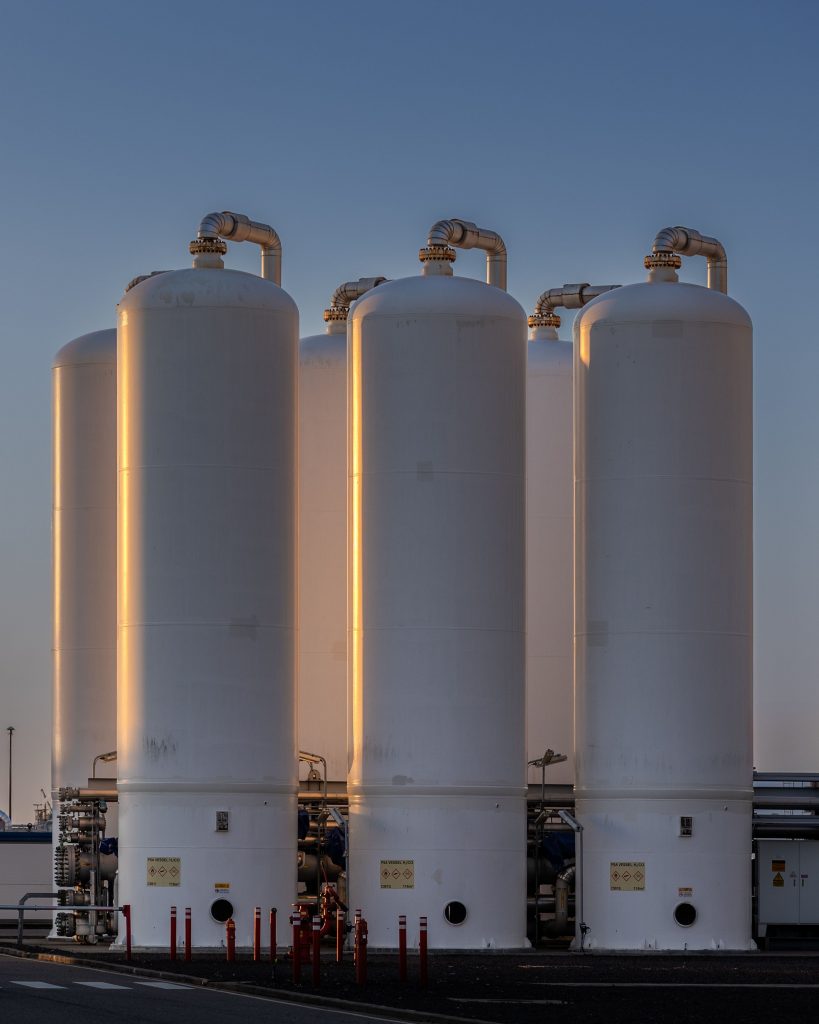
Piping Engineering: Streamlining Industrial Systems with Expertise In industrial facilities, piping is the circulatory system that keeps operations running. Whether the service is steam, condensate, hydrogen, natural gas, chemicals, glycol, or utilities, piping must be engineered to operate safely under pressure and temperature, integrate properly with connected equipment, and meet code and provincial/state requirements. Piping engineering focuses on practical, buildable design that supports safe operation, maintainability, and long-term reliability. It includes routing and layout, material selection, flexibility and support philosophy, interface management with equipment and structures, and engineering checks that confirm the system will perform as intended throughout its life. Why piping engineering services are essential Poorly engineered piping can create consequences that are expensive and disruptive: unexpected loads on equipment nozzles, vibration and fatigue failures, thermal expansion problems, leaks, rework during installation, and delays during regulator or third-party reviews. Strong piping engineering reduces these risks early, when changes are least costly. Key components of piping engineering services Piping design and layout Developing routing that is constructible and maintainable, selecting materials and components, defining insulation and heat tracing interfaces, and coordinating with structural and mechanical constraints. Piping flexibility and stress analysis Evaluating sustained, thermal expansion, and occasional loads to confirm compliance with the governing code and to protect connected equipment. This includes support locations, anchor and guide strategies, nozzle load checks (as applicable), and practical recommendations to reduce field changes. Isometrics and fabrication-ready deliverables Producing accurate isometrics, bill of materials, weld maps (when required), and installation details that support fabrication and construction execution. Code and regulatory compliance Confirming alignment with applicable standards such as ASME B31.1, ASME B31.3, ASME B31.9, and project specifications, along with local jurisdictional requirements that vary by province and state. Jurisdictional expectations and pressure piping registration In Canada, pressure piping requirements are jurisdiction-driven. Expectations can differ between provinces, even when the same ASME piping code is used as the design basis. For example, Alberta and Ontario have established design submission practices through ABSA and TSSA, respectively, and reviewers typically expect a complete, coherent package that connects the engineering intent to code compliance. A pressure piping submission commonly requires items such as: piping line list and design conditions (pressure, temperature, fluid service, corrosion allowance) P&IDs tied to specifications piping material specifications and component standards supports and flexibility philosophy stress analysis (when required by service, size, temperature, layout complexity, or jurisdictional expectations) consistent documentation that aligns design basis, calculations, and drawings CRN-related piping stress review (where CRN fits) CRN registration applies to pressure-retaining components (such as fittings, valves, flanges, and some assemblies) that are registered for use in Canadian jurisdictions. Piping systems themselves are typically handled through pressure piping design registration requirements rather than CRN, but the two often intersect in real projects. MECS frequently supports clients where piping stress analysis and regulator-facing documentation must align with registered components and jurisdictional review expectations. When a project includes CRN-registered components (or requires new CRNs for specific items), the piping design and stress review should be consistent with: the component design limits and ratings the specified materials and corrosion allowances the project design basis and operating scenarios the submission package logic that regulators expect (traceability and consistency across documents) How MECS Engineering supports industrial projects MECS Engineering provides piping engineering services that are grounded in real execution and regulator expectations. Our team supports clients across multiple jurisdictions, including projects involving ABSA and TSSA reviews, where completeness, clarity, and code alignment matter as much as the calculations. MECS support can include: piping stress analysis and flexibility studies for critical systems design review and compliance verification for piping packages constructability input and support optimization to reduce field changes regulator-ready documentation support aligned with project scope and jurisdictional requirements coordination with mechanical, structural, and process disciplines to prevent interface issues Value of professional piping engineering Piping engineering is not only a design activity; it is risk control. A well-engineered piping system improves safety, reduces downtime, supports reliable operation, and prevents expensive construction rework. With MECS Engineering, clients get practical engineering backed by code knowledge and experience working with jurisdictional expectations.
Finite Element Analysis (FEA) in Pressure Vessel Design: A Practical Guide
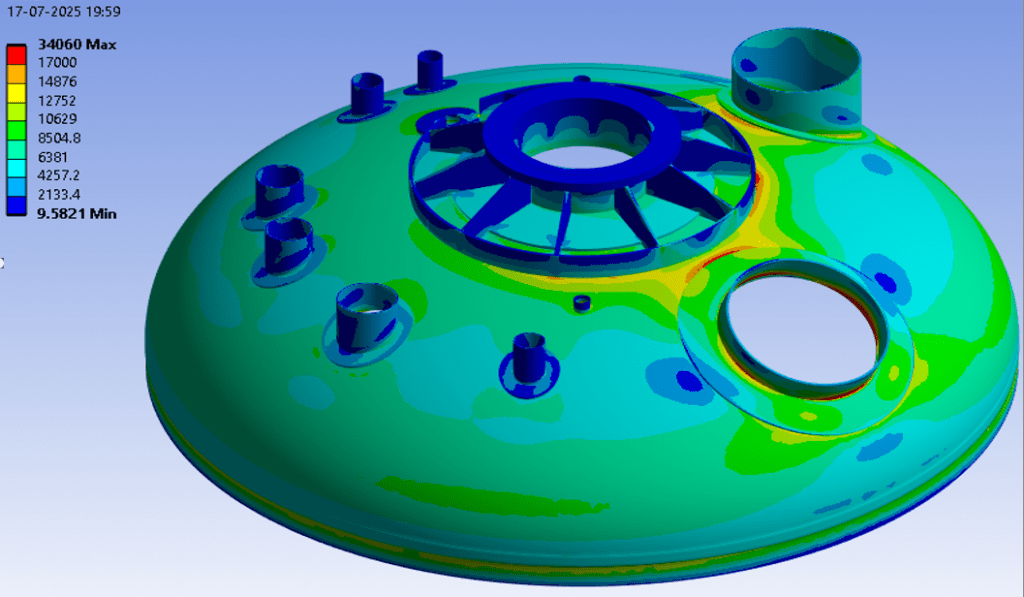
Finite Element Analysis (FEA) in Pressure Vessel Design: A Practical Guide </h1 > Home / Learning In the field of mechanical and structural engineering, ensuring the safety and efficiency of pressure vessels is critical. These components operate under extreme conditions, where even a small design flaw can lead to catastrophic failure. This is where Finite Element Analysis (FEA) plays a crucial role. As part of Professional Engineering Services, FEA enables engineers to predict and prevent potential issues before manufacturing begins. 1. Understanding Finite Element Analysis (FEA) Finite Element Analysis (FEA) is a simulation-based method used to evaluate how a structure reacts to real-world forces such as pressure, heat, and vibration. By breaking down a complex pressure vessel into small, manageable elements, engineers can analyze stress distribution, deformation, and potential weak points with high precision. This analytical method allows Professional Engineering Services providers like MECS Engineering to deliver designs that meet stringent safety standards and comply with international codes, such as ASME and API. 2. The Role of FEA in Pressure Vessel Design Pressure vessels are exposed to internal and external loads that vary depending on the process they support. Using FEA, engineers can simulate these operating conditions digitally and assess how materials and geometries perform under stress. Key insights gained from FEA include: Stress concentration areas that may lead to fatigue or failure. Optimal thickness and material selection for the vessel wall. The effect of temperature and pressure variations on performance. Verification of design against code requirements. By identifying these factors early, Finite Element Analysis minimizes the need for physical prototypes, saving time and cost while enhancing design reliability. 3. Benefits of Using FEA in Engineering Projects Integrating FEA into Professional Engineering Services provides several advantages: Enhanced Safety: Detect potential weak spots before fabrication. Cost Efficiency: Reduce material waste and manufacturing errors. Improved Performance: Optimize design for durability and efficiency. Regulatory Compliance: Ensure designs meet ASME and industry codes. At MECS Engineering, FEA forms the backbone of every pressure vessel design, ensuring each project is not only efficient but also built to last. 4. Partnering with Experts in FEA and Pressure Vessel Design Choosing a trusted engineering partner is vital. MECS Engineering combines years of expertise with cutting-edge simulation tools to provide reliable, compliant, and cost-effective solutions. Whether you need detailed Finite Element Analysis or complete Professional Engineering Services, MECS Engineering ensures precision, performance, and peace of mind at every stage of your project.
