
FEA vs Traditional Calculation: Which One Should You Choose?

FEA vs Traditional Calculation: Which One Should You Choose? Home / Learning In today’s engineering world, getting accurate designs is super important. One topic that sparks a lot of debates among engineers and project managers is whether to go with Finite Element Analysis (FEA) or stick to traditional calculation methods. At MECS Engineering, we focus on providing FEA services that cater to complex industry needs. So, how do you figure out which method is right for your project? Let’s break it down. What is Finite Element Analysis (FEA)? FEA is a computer simulation method that helps predict how a product or structure will react to real-world forces like heat, vibration, fluid flow, and stress. It breaks down complicated shapes into smaller parts, or elements, so engineers can run thorough simulations. Benefits of FEA High accuracy in analyzing stress and strain. Works well with complex shapes and load conditions. Can lower costs for physical prototypes. Provides visual results that are easy to understand. At MECS Engineering, we use FEA to check the reliability of pressure vessels, piping systems, and structural components. What are Traditional Engineering Calculations? Traditional calculations involve manual or spreadsheet methods using formulas from engineering standards like ASME, API, or ISO codes. They’re often used for simpler designs or when code compliance is straightforward. Advantages of Traditional Calculations Quick for basic shapes and load scenarios. Grounded in established standards. Great for initial design and feasibility checks. That said, traditional methods might not provide the detail and accuracy needed for more complicated systems. When to Use FEA Designing pressure vessels with varying wall thickness. Analyzing high-stress spots in pipes and mechanical parts. Evaluating failure points under changing loads. Dealing with odd shapes or boundary conditions. If your project needs precision and reliability, FEA is usually the better option. That’s where MECS Engineering comes in with solid, certified FEA solutions. When to Stick with Traditional Calculations Simple, symmetric designs. Early sizing and layout work. Structures that clearly follow code guidelines. MECS Engineering also supports traditional methods when needed, ensuring you get the best solution every time. Conclusion: Choose What Works for Your Project Both FEA and traditional calculations have their uses. For high-risk or complex designs, FEA provides the insight you need. For simpler tasks, traditional methods can be effective and trustworthy. At MECS Engineering, we combine traditional engineering principles with advanced FEA to optimize your design for safety, compliance, and performance. Reach out to our expert team to see how we can help you.
How MECS Engineering Delivers Tailored Solutions Across Industries

How MECS Engineering Delivers Tailored Solutions Across Industries Home / Learning In the complex world of industrial projects, one-size-fits-all engineering simply doesn’t work. Each industry—whether it’s power generation, oil and gas, chemicals, or pulp and paper—demands a distinct approach, rigorous compliance, and sector-specific technical knowledge. That’s where MECS Engineering stands out. As a leading piping engineering company and provider of professional engineering services in Canada, MECS Engineering specializes in tailored engineering solutions that meet the highest industry and regulatory standards. From finite element analysis (FEA) to piping stress analysis and third-party verification, we serve clients with precision, integrity, and innovation. Industry-Focused, Client-Centric Solutions What sets MECS Engineering apart is our ability to customize solutions across diverse sectors: Power (nuclear, fossil, biomass, cogeneration) Oil and Gas Chemical and Petrochemical Pulp and Paper Process Industries Each sector has its unique set of mechanical, structural, and compliance challenges. Our multidisciplinary team of professional engineering consultants addresses these head-on with industry-specific knowledge and hands-on experience. Precision Piping Engineering That Withstands Pressure For many industries, piping systems are the arteries of their operations. Our expert team specializes in: Piping Stress Analysis & Flexibility Studies We perform comprehensive piping stress analysis using cutting-edge software to evaluate the thermal, pressure, and mechanical loads acting on piping systems. Whether it’s a high-temperature refinery line or a chilled-water pipeline in a pulp mill, piping flexibility analysis ensures systems can expand, contract, and function reliably without failure. Finite Element Analysis (FEA) Our stress analysis engineers also use finite element analysis to simulate structural behavior under complex loads. FEA provides deeper insights into weak points, deflection risks, and high-stress zones, allowing us to recommend modifications before real-world failures occur. Certified Expertise: P.Eng. and P.E. Support In Canada and across North America, engineering designs and calculations often require certified professional approval. MECS Engineering provides: P.Eng. Certification and P.Eng. Stamping for all provinces in Canada P.E. Certification and P.E. Stamping for projects across the United States CRN (Canadian Registration Number) support and filing for pressure components Whether it’s for piping systems, vessels, or structural supports, our team ensures code compliance and regulatory approval through direct engagement with governing authorities and registrars. Third-Party Verification and Quality Assurance MECS Engineering provides third-party verification services to validate engineering deliverables from external consultants or vendors. We assess: Piping layout and design packages Structural supports and stress evaluation reports Code compliance with ASME, CSA, B31.1, B31.3, B31.9, and other standards Pressure boundary evaluations for CRN submissions By offering independent engineering reviews, we help clients avoid costly rework, ensure public safety, and strengthen engineering integrity across all disciplines. Tailored Solutions for Each Industry Power Sector (Nuclear, Fossil, Biomass, Cogeneration) In power projects, stress levels, thermal expansion, and seismic loads play a significant role in engineering reliability. Our team designs systems that withstand extreme conditions and comply with national and international codes. Oil & Gas High-pressure, high-temperature environments demand meticulous design. Our stress analysis engineers optimize flexibility, support arrangements, and nozzle loads to ensure safety and long-term performance. Chemical & Petrochemical We provide piping engineering solutions for process skids, chemical reactors, and storage systems. Our team ensures piping layout meets functional, safety, and maintenance needs while adhering to CRN and P.Eng. requirements. Pulp & Paper Aging infrastructure, high-cycle operations, and corrosion challenges define this industry. Our engineering solutions focus on durability, operability, and compliance with modern standards. Process Industries From food processing to pharmaceutical manufacturing, we offer industrial engineering services that balance hygienic design, flow optimization, and energy efficiency. Why Clients Choose MECS Engineering We’re more than an engineering services provider—we’re a trusted partner in delivering smart, compliant, and results-driven designs. Here’s why leading industrial firms trust us: Multi-sector knowledge tailored to your industry Certified professionals offering both P.Eng. and P.E. support Expertise in CRN applications, FEA, flexibility checks, and code-based piping design Responsive service, with a commitment to quality and timely delivery Strong focus on third-party verification and engineering accountability The MECS Engineering Advantage When you choose MECS, you’re choosing a firm that goes beyond calculations—we deliver engineering solutions that perform under pressure. We collaborate with EPC firms, plant owners, and OEMs across Canada and the U.S. to provide end-to-end support from design to approval. Final Thoughts Whether you’re building a new power plant, upgrading a petrochemical facility, or redesigning your process piping, MECS Engineering brings unmatched expertise and professionalism. From piping stress analysis to P.Eng. stamping, third-party verification to finite element analysis, we deliver tailored solutions that meet your project’s technical, regulatory, and operational needs.
From Concept to Implementation: A Deep Dive into Instrumentation and Controls Design

From Concept to Implementation: A Deep Dive into Instrumentation and Controls Design Home / Learning In today’s world of industrial automation, precision, reliability, and control are essential. Instrumentation and controls design provides the framework to achieve these needs — it is the nervous system of any automated or semi-automated system or process. Be it a power plant, chemical processing plant, or a manufacturing plant, instrumentation and controls systems (I&C) is a vital part to monitor, control, and optimize a process. This article discusses the entire instrumentation and controls design process from the initial conceptual phase to full implementation. We hope to present a view that simplifies an otherwise involved subject down to manageable topics that can be accessed and understood by engineers, project managers, and others in the industry. What is Instrumentation and Control Design? Instrumentation and control design can be characterized as the engineering discipline concerned with creating systems that measure, monitor, and control variables such as temperature, pressure, flow, and level within a process or system. These systems need supply chains, which include a sensor, a transmitter, a controller, and a final control element, such as a valve or relay to provide safe and efficient operations. A well-designed I&C system ensures: Consistent product quality Operational efficiency System reliability Worker safety Regulatory compliance Phase 1: Conceptual Design The journey begins with a clear understanding of the operational needs of a facility. In this phase, engineers and stakeholders define the scope, key process parameters, control objectives, and overall functionality required from the system. Key Steps in Conceptual Design: Requirements Gathering: This involves close consultation with process engineers, operations teams, and safety personnel to identify measurable variables, desired control points, and performance metrics. Feasibility Study: Engineers perform a technical assessment to determine whether current infrastructure can support proposed control solutions, including evaluating power, communication, and space constraints. Preliminary System Architecture: Initial designs include block diagrams of the control hierarchy (field devices, local controllers, remote I/O, HMIs, SCADA integration) and network architecture. Budgeting and Scheduling: Accurate costing of hardware, software, and labor is essential. Scheduling must consider lead times for procurement, manpower availability, and integration milestones. Phase 2: Detailed Engineering Design Once the concept is validated, detailed engineering begins. This is the heart of the instrumentation and controls design process. It involves selecting specific components, creating detailed drawings, and developing the control logic. Main Elements of Detailed Design: P&IDs (Piping and Instrumentation Diagrams): These show interconnections between mechanical systems and control systems, tagging all process sensors, actuators, and control logic references. Instrument Index: A comprehensive list of all instruments, including tag numbers, loop numbers, ranges, and specifications. Loop Diagrams: These document every signal path from the sensor or actuator to the control system and back. They include cable numbers, terminal strips, and power requirements. I/O List: The I/O list maps every analog, digital, and communication signal that must be processed, categorized by source and destination. Control Narratives: These provide a step-by-step description of process control logic, alarm handling, interlocks, and startup/shutdown procedures. PLC/DCS Programming: Engineers develop control algorithms using ladder logic, function block diagrams, or structured text, depending on the controller type. Code is version-controlled and modular for easier troubleshooting. Detailed engineering is collaborative. Electrical, mechanical, and process engineers must work closely to ensure that instrumentation and controls align with all other aspects of the facility. Phase 3: Component Selection and Procurement Component selection is critical to system performance and longevity. The instruments and control hardware must be accurate, durable, and compatible with the process environment (e.g., high temperature, corrosive substances). Factors Influencing Selection: Measurement range and resolution Material compatibility with process media Intrinsic safety and explosion-proof certification Communication capabilities (HART, FOUNDATION Fieldbus, Modbus RTU/TCP, EtherNet/IP) Functional safety ratings (SIL 1/2/3 compliance) MTBF (Mean Time Between Failure) and maintenance requirements Vendor datasheets are analyzed alongside simulation and test results. MECS Engineering uses vendor qualification procedures and long-term performance data to ensure component suitability. Phase 4: Installation and Integration This phase involves the physical installation of instruments, control panels, cabling, and communication systems. Precision is key, as improper installation can compromise system functionality and safety. Key Activities: Instrument Mounting: Engineers ensure process connections are correct (e.g., flange vs threaded) and that mounting orientations match manufacturer specifications to avoid zero shift or signal drift. Cable Routing and Termination: Signal, power, and network cables are segregated to avoid electromagnetic interference (EMI). Grounding and shielding practices follow IEEE/IEC guidelines. Control Panel Assembly: Includes installation of relays, terminal blocks, surge protectors, and power supplies. Panels are labeled per IEC 81346 or ANSI/NEMA standards. Integration with PLC/DCS: Communication between smart instruments and controllers is tested using vendor-specific tools. Engineers validate tag mapping and scaling across the system. Documentation is maintained in real-time using engineering data management software to ensure traceability. Phase 5: Testing and Commissioning Before the system goes live, rigorous testing is performed to ensure everything functions as intended. Types of Testing: Factory Acceptance Testing (FAT): Performed in a controlled environment to verify hardware setup, controller logic, HMI screens, and simulated I/O responses. Site Acceptance Testing (SAT): Conducted on-site to verify integration with actual process equipment. Includes live signal tests, failover testing, and sequence validation. Loop Checks: Technicians use handheld communicators and test equipment to verify that each instrument is connected properly and reads accurately across its entire range. Functionality Testing: Simulates process conditions to ensure that control logic, alarms, and interlocks respond appropriately. Phase 6: Operation and Maintenance Even the best-designed systems require regular maintenance and occasional upgrades. A good I&C design includes features that make maintenance easier, such as diagnostic tools and modular components. Maintenance Best Practices: Scheduled Calibration: Ensures measurement accuracy over time using portable calibrators or in-line calibration systems. Firmware Updates and Patch Management: Keeps controllers and smart devices secure and compatible with evolving software tools. Redundancy Checks: Verifies hot-standby systems and backup power remain functional. Alarm Management: Periodic review of alarm logs ensures nuisance alarms are minimized and critical alarms remain effective. Operational data collected by the I&C system can also
Why Hiring Professional Engineering Consultants is Crucial for Your Next Project

Why Hiring Professional Engineering Consultants is Crucial for Your Next Project Home / Learning In today’s fast-paced, innovation-driven world, businesses and organizations are constantly seeking reliable, efficient, and cost-effective engineering solutions. Whether it’s a manufacturing upgrade, infrastructure development, or system optimization, the right expertise makes all the difference. This is where professional engineering consultants add value. These experts not only guide you through technical complexities but also help you meet regulatory standards, reduce costs, and improve productivity. If you’re looking to scale your operations, streamline systems, or implement new technologies, MECS Engineering offers expert solutions tailored to your unique needs. Let’s dive into why choosing professional engineering consultants can be one of the most strategic decisions for your next industrial or commercial project. What Are Professional Engineering Consultants? Professional engineering consultants are certified experts with extensive experience in various engineering disciplines. They offer guidance, assessments, and actionable strategies to support project planning, execution, and optimization. These professionals often specialize in fields such as mechanical, civil, electrical, and industrial engineering. At MECS Engineering, our consultants bring decades of experience to the table. We understand the complexities of modern industrial systems and offer customized support that ensures safety, efficiency, and innovation. Benefits of Hiring Professional Engineering Consultants Hiring a consulting firm like MECS Engineering has multiple advantages: Specialized Knowledge Professional engineering consultants possess deep technical knowledge that is difficult to source internally. They are up to date with industry standards, compliance regulations, and the latest technology trends. Cost-Effective Solutions Rather than hiring full-time experts, businesses can save money by outsourcing specific tasks to consultants. This also enables better budget control and resource allocation. Independent Perspective An external consultant provides an objective assessment of your project. They are not influenced by internal biases, ensuring their advice is grounded in data, experience, and industry best practices. Faster Project Execution Because of their expertise, professional engineering consultants can streamline workflows, identify risks early, and accelerate timelines—delivering value faster than internal trial-and-error processes. MECS Engineering: A Trusted Name Among Engineering Companies in Canada MECS Engineering has built a strong reputation among engineering companies in Canada. With a broad client base and years of hands-on experience, we understand the nuances of working across different industries. From energy and utilities to manufacturing and infrastructure, our firm provides end-to-end engineering services that drive real-world results. We don’t just offer advice—we become your strategic partner from start to finish. Whether it’s developing blueprints, conducting feasibility studies, or offering construction supervision, our team is there every step of the way. Engineering Services Tailored to Your Needs Efficient industrial operations rely on well-designed systems and optimized processes. MECS Engineering specializes in services that enhance productivity and support regulatory compliance. We develop customized engineering solutions aligned with each client’s specific operational goals. Engineering Services Across Various Sectors Our engineering services are focused on supporting critical sectors, including: Structural Engineering – Structural design, load calculations, building assessments, and certifications for code compliance. Mechanical Engineering – HVAC system planning, equipment design review, stress analysis, and system optimization. Piping Engineering – Piping system design, pressure vessel design review, CRN registration support, and regulatory compliance across Canada. Civil Engineering Support – Infrastructure planning, foundation designs, drainage solutions, and site development consulting. Energy Efficiency and Utilities Consulting – Energy audits, load assessments, system optimization, and compliance with regulatory standards for utility systems. Risk Assessment and Code Compliance – Engineering reviews, feasibility studies, risk evaluations, and support to meet Canadian standards and regulations. This wide spectrum of expertise ensures that MECS Engineering remains a reliable choice among engineering companies in Canada. How to Choose the Right Engineering Consultants Finding the right fit matters. Here are a few things to consider when selecting professional engineering consultants: Proven Track Record Look for consultants with a solid portfolio and client testimonials. MECS Engineering has worked with leading companies across Canada, USA and internationally. consistently delivering high-quality outcomes. Custom Solutions Every business is different. Avoid companies that offer generic strategies. MECS Engineering tailors every plan to align with your business model and operational goals. Strong Communication Your consultants should be available, responsive, and transparent. At MECS Engineering, we believe that collaboration and clear communication are key to successful project delivery. The MECS Engineering Difference As one of the most reliable engineering companies in Canada, MECS Engineering prides itself on combining technical precision with practical insight. Our team of professional engineering consultants works closely with your internal teams to provide comprehensive support—from idea to implementation. We don’t just advise; we execute. Our commitment to excellence ensures that your projects are completed on time, within budget, and to the highest quality standards. Conclusion In an increasingly competitive and technologically advanced market, the value of hiring professional engineering consultants cannot be overstated. From offering specialized knowledge to reducing costs and accelerating project timelines, they are essential for any business that wants to stay ahead of the curve. MECS Engineering stands out as a leader in the field, delivering exceptional industrial engineering services and comprehensive engineering services across sectors. If you’re looking to partner with one of the top engineering companies in Canada, contact MECS Engineering today and take the first step toward engineering excellence. Ready to elevate your project with expert support? Contact MECS Engineering today for a consultation and discover the difference true professionalism makes.
Multidisciplinary Engineering Services and Solutions: Optimizing Efficiency and Safety in Industrial Projects

Multidisciplinary Engineering Services and Solutions: Optimizing Efficiency and Safety in Industrial Projects Home / Learning Introduction In today’s fast-evolving industrial landscape, businesses seek innovative engineering solutions to enhance efficiency, optimize operations, and ensure regulatory compliance. Comprehensive engineering services – spanning mechanical, electrical, instrumentation & controls (I&C), civil, and structural disciplines – play a vital role in supporting industries such as manufacturing, energy, construction, and infrastructure. This article explores key engineering services and their impact on modern industries. Comprehensive Engineering Services and Their Impact 1. Process Optimization and Lean EngineeringEngineering solutions focus on improving workflows, reducing waste, and enhancing productivity through methodologies like Lean Manufacturing and Six Sigma. Key benefits include: Reducing operational costs and cycle times Optimizing resource utilization Improving product consistency and quality Streamlining inventory and supply chain management 2. Multi-Disciplinary Engineering Design and AnalysisEngineering projects require a seamless integration of various disciplines to ensure safety, efficiency, and reliability. Key areas include: Mechanical design and stress analysis Electrical power distribution and automation systems Instrumentation & control system design for process efficiency Civil and structural design for industrial facilities Finite Element Analysis (FEA) for structural integrity 3. Energy Efficiency and SustainabilityWith industries focusing on reducing their environmental footprint, engineering services are critical in implementing: Energy-efficient mechanical and electrical systems Renewable energy integration Smart HVAC and lighting solutions Sustainable materials and construction methods 4. Advanced Piping and Structural EngineeringEnsuring safe and efficient infrastructure requires expert engineering solutions in: Piping stress analysis and fluid flow optimization Structural analysis for equipment skids, piping supports, and buildings Compliance with industry codes and safety regulations 5. Automation and Smart ManufacturingIndustry 4.0 has revolutionized manufacturing and industrial processes through automation. Role of Engineering Services: Robotics and AI-driven control systems IoT-based real-time monitoring and predictive maintenance Smart sensors for performance optimization Human-machine collaboration for enhanced safety 6. Supply Chain and Logistics OptimizationEfficient logistics and material handling strategies help industries improve productivity and reduce costs. Engineering solutions include: Warehouse and distribution center automation Optimized facility layouts for efficient workflows Demand forecasting and inventory management systems 7. Workplace Safety and Regulatory ComplianceEnsuring compliance with industry standards is essential for worker safety and operational continuity. Engineering services cover: Risk assessments and safety audits OSHA and ISO compliance consulting Ergonomic workplace design for employee well-being The Future of Engineering Services As industries evolve engineering solutions will continue to focus on: AI and machine learning for predictive maintenance Advanced automation for process efficiency Sustainable and eco-friendly engineering practices Integration of smart technologies in industrial operations Conclusion Comprehensive engineering services are essential for optimizing industrial operations, ensuring compliance, and achieving long-term success. By integrating multi-disciplinary expertise and cutting-edge technologies, businesses can stay competitive, reduce costs, and enhance productivity in an increasingly complex industrial environment.
Understanding the Canadian Registration Number System and Its Approval Process

Understanding the Canadian Registration Number System and Its Approval Process Home / Learning Introduction The Canadian Registration Number (CRN) is a crucial regulatory requirement for pressure-retaining equipment in Canada. It ensures that equipment such as boilers, pressure vessels, and piping systems comply with the stringent safety and design standards set by Canadian jurisdictions. Understanding the CRN system and its approval process is vital for manufacturers, engineers, and businesses looking to enter the Canadian market. This article provides an in-depth look at what the CRN is, why it is important, the detailed steps involved in obtaining a CRN, and how businesses can navigate the process efficiently. What is a Canadian Registration Number (CRN)? A Canadian Registration Number (CRN) is a unique identifier assigned to pressure-retaining components that meet the safety regulations under the applicable provincial and territorial codes. It is issued by the jurisdictional authority where the equipment will be used. The CRN ensures that the design complies with the CSA B51 standard and ASME Boiler and Pressure Vessel Code (BPVC). Each province and territory in Canada has its own regulatory authority responsible for issuing CRNs. However, there is a national coordination effort that allows for reciprocal registration, meaning once a design is approved in one province, it can be recognized in others with minimal additional requirements Why is a CRN Important? Obtaining a CRN is critical for several reasons: Legal Compliance: It is illegal to operate pressure-retaining equipment in Canada without a CRN. Non-compliance can result in penalties, fines, and operational shutdowns. Safety Assurance: Ensures that all equipment meets strict safety regulations, reducing the risk of pressure-related failures and accidents. Market Access: Without a CRN, manufacturers cannot sell pressure equipment in Canada, limiting business opportunities. Regulatory Standardization: A CRN ensures consistency in design and operation across all Canadian provinces and territories. Step-by-Step CRN Approval Process The CRN approval process requires careful planning and compliance with Canadian regulations. Below is a detailed breakdown of the process: Step 1: Design Preparation and Documentation The first step in obtaining a CRN is preparing the design documentation. This includes: Engineering Drawings: Must be detailed and comply with ASME BPVC and CSA B51 requirements. Material Specifications: A list of materials used in the design, including their grade and standards compliance. Calculations & Analysis: Pressure calculations, stress analysis, and safety factors must be provided. Quality Control Plan: Documentation of manufacturing and quality assurance procedures. Step 2: Identify the Applicable Jurisdiction Each province and territory in Canada has its own regulatory authority responsible for issuing CRNs. It is essential to determine where the equipment will be used and submit the application to the correct regulatory body. Example Regulatory Authorities: Technical Standards and Safety Authority (TSSA) – Ontario Alberta Boilers Safety Association (ABSA) – Alberta BC Safety Authority – British Columbia Step 3: Application Submission Once the design is ready, submit the application to the regulatory authority. The submission typically includes: Completed application forms Engineering drawings and calculations Material specifications Quality control documentation Step 4: Design Review by Regulatory Authority The submitted design undergoes a rigorous review by the jurisdictional authority. The review process includes: Technical Compliance Check: Verifying that the design meets ASME and CSA B51 standards. Material Verification: Ensuring all materials are compliant and suitable for the intended pressure conditions. Calculation Review: Checking for errors or inconsistencies in design calculations. Testing Requirements: Some designs may require hydrostatic or other non-destructive testing. If issues are found, the regulatory body will provide feedback, requiring resubmission with corrections. Step 5: Issuance of CRN If the design passes all reviews, the regulatory body assigns a CRN to the equipment. The CRN must be marked on: The equipment nameplate Manufacturer’s documentation Any official compliance certificates Step 6: Reciprocal Registration Across Provinces Once a CRN is issued in one province, it may be recognized in other provinces through a reciprocal registration process. This helps streamline approvals for manufacturers selling across multiple provinces. Some provinces may still require additional administrative steps for reciprocal recognition. Common Challenges in CRN Approval and How to Overcome Them The CRN approval process can be complex, and businesses often encounter several challenges, including: Incomplete Documentation Solution: Ensure all required documents are included and formatted correctly before submission. Design Non-Compliance Solution: Work with experienced engineers familiar with ASME BPVC and CSA B51 requirements. Long Approval Timelines Solution: Submit applications early and maintain clear communication with regulatory authorities. Differences in Provincial Requirements Solution: Research each province’s specific requirements or work with a consultant specializing in CRN approvals. Importance of Expertise in CRN Approval Engineering Services providers such as MECS Engineering plays a crucial role in helping manufacturers and businesses navigate the CRN approval process. Their expertise ensures compliance with Canadian safety standards while streamlining the design review and approval procedures. MECS Engineering provides: Expert Consultation: Guidance on regulatory requirements and documentation preparation. Design Review Assistance: Ensuring compliance with ASME BPVC and CSA B51 standards before submission. Application Management: Handling submissions and communication with regulatory authorities. Troubleshooting and Compliance Solutions: Addressing design modifications and responding to regulatory feedback. By partnering with an Engineering Services providers, businesses can achieve faster CRN approvals, reduce compliance risks, and ensure a seamless entry into the Canadian market Conclusion The Canadian Registration Number (CRN) is a vital component of regulatory compliance for pressure-retaining equipment in Canada. It ensures that all equipment meets the highest safety standards, enabling legal operation and market access. By understanding the CRN structure, approval process, and potential challenges, manufacturers and businesses can navigate the system efficiently, avoiding delays and ensuring compliance. For businesses looking to expand into the Canadian market, securing a CRN is an essential step in demonstrating commitment to safety, quality, and regulatory adherence.
The Role of Pressure Vessels in Oil & Gas: Storage, Processing & Safety

The Role of Pressure Vessels in Oil & Gas: Storage, Processing & Safety Home / Learning Introduction The oil and gas industry relies on pressure vessel to store, process, and transport fluids under high pressure and temperature conditions. These vessels are crucial for refining crude oil, storing natural gas, and ensuring safe and efficient operations. Designed for extreme conditions, pressure vessels play a key role in maintaining operational safety and meeting regulatory compliance. What Are Pressure Vessels? Pressure vessels are specially designed containers that store gases or liquids under pressures higher or lower than atmospheric pressure. Made from high-strength materials like carbon steel, stainless steel, and corrosion-resistant alloys, these vessels must meet stringent industry codes such as ASME Boiler and Pressure Vessel Code (BPVC) and API standards. Key Applications of Pressure Vessels in the Oil & Gas Industry 1. Storage of Gases and Liquids Pressure vessels are essential for safely storing pressurized hydrocarbons like LPG, LNG, hydrogen, and compressed natural gas (CNG). These vessels prevent leaks, enhance environmental safety, and ensure efficient hydrocarbon handling. 2. Separation Processes In extraction and refining, raw hydrocarbons contain a mixture of gases, liquids, and solids. Two-phase and three-phase separators,-types of pressure vessels, help efficiently separate crude oil, natural gas, and water, improving processing efficiency. 3. Heat Exchangers for Thermal Efficiency Shell-and-tube heat exchangers, a type of pressure vessel, regulate temperatures by transferring heat between different fluids. They are widely used in crude oil distillation, LNG processing, and other temperature-sensitive processes. 4. Chemical Reactors for Oil Refining Pressure vessel reactors are used in refining processes like hydrocracking, catalytic cracking, and hydrotreating. These vessels enable chemical reactions that convert crude oil into high-value products like gasoline, diesel, and jet fuel. 5. Boilers and Steam Generation Industrial boilers and steam drums generate steam for petrochemical plants, offshore platforms, and refineries. Steam is critical in power generation and enhanced oil recovery (EOR) methods like steam-assisted oil recovery (SAOR). 6. Transportation of Pressurized Fluids For safe transportation of pressurized gases and liquids, specialized vessels are used for CNG, LPG, hydrogen, and ammonia. These vessels ensure structural integrity and prevent pressure fluctuations during transit. Safety and Compliance in Pressure Vessel Operations Since pressure vessel failures can lead to catastrophic consequences, strict compliance with safety regulations is essential. Industry standards such as ASME Section VIII, API 510, and rigorous non-destructive testing (NDT) methods help prevent failures. Regular inspections, pressure tests, and advanced monitoring systems enhance operational safety. Conclusion Pressure vessels are indispensable in the oil and gas industry for efficient storage, processing, and transportation of hydrocarbons. With advancements in materials, automation, and real-time monitoring, modern pressure vessel technology continues to enhance efficiency and safety. Investing in high-quality, well-maintained pressure vessels ensures long-term reliability and regulatory compliance, supporting the industry’s drive for sustainability and operational excellence.
What is a Professional Engineer? A Guide to Professional Engineering Services

What is a Professional Engineer? A Guide to Professional Engineering Services Home / Learning Introduction In today’s fast-paced industrial and construction landscape, the role of a Professional Engineer (PE) is more crucial than ever. Whether it’s designing infrastructure, overseeing manufacturing processes, or ensuring compliance with industry standards, Professional Engineers play a vital role in shaping the world around us. In addition, businesses often rely on Professional Engineering Services to provide expert advice and technical solutions for complex projects. But what exactly does a Professional Engineer do, and how do Professional Engineering Services help businesses thrive? Let’s dive into this topic in detail. What is a Professional Engineer? A Professional Engineer (PE) is a licensed expert who applies engineering principles to design, develop, and implement solutions in various fields, including civil, mechanical, electrical, and structural engineering. Unlike general engineers, Professional Engineers have met rigorous education, examination, and experience requirements, allowing them to take legal responsibility for engineering work and offer Engineering Consulting Services independently. Qualifications and Licensing A bachelor’s degree in an accredited engineering program. Passing the Fundamentals of Engineering (FE) exam or equivalent. Gaining relevant work experience (typically minimum four years under a licensed PE). Must pass the Principles and Practice of Engineering (PE) exam or equivalent. Meeting ongoing professional development and ethical standards. The Role of Professional Engineer Many industries, from construction to energy and manufacturing, rely on Engineering Consulting Services to ensure their projects meet safety, efficiency, and sustainability standards. Professional Engineers provide expert guidance, troubleshoot challenges, and help optimize designs and processes to achieve the best results. Key Responsibilities of Professional Engineer Conducting feasibility studies and technical assessments. Designing and analyzing engineering structures and systems. Ensuring compliance with industry standards and regulations. Offering cost-effective solutions for construction and manufacturing projects. Providing risk management strategies for engineering projects. Above everything, to safeguard public welfare, including life, health, and the environment. Types of Professional Engineering Services Engineering Consulting Services specialize in various domains, offering tailored solutions to different industries. Here are some key types of Engineering Services: Structural Engineering Designing safe and durable buildings, bridges, and infrastructure. Conducting structural assessments and load calculations. Ensuring compliance with local and international building codes. Mechanical and Electrical Engineering Piping Engineering Stress Analysis and Finite Elements Analysis Pressure Vessels Design and engineering HVAC system design and optimization. Power systems, lighting, and electrical grid consulting. Automation and robotics integration in manufacturing. Civil Engineering Consulting Urban planning and land development. Road, highway, and transportation infrastructure design. Water resource management and environmental impact assessments. Environmental Engineering Consulting Sustainable building solutions and eco-friendly designs. Waste management and pollution control strategies. Energy efficiency audits and renewable energy consulting. How to Choose the Right Engineering Consultant? Selecting the right Professional Engineering Services Provider is essential for the success of your project. Here are key factors to consider: Experience and Expertise – Ensure the Professional Engineer has experience in your industry and project type. Licensing and Accreditation – Check if they hold relevant certifications and P.Eng./PE licensing. Reputation and Past Projects – Review case studies and client testimonials. Communication and Collaboration – Choose a Professional Engineer who understands your needs and offers clear communication. Use of Technology – Modern Engineering Consulting Services use advanced software for simulations, modeling, and project management. Conclusion Professional Engineers and Engineering Services play a vital role in shaping industries and ensuring the safety, efficiency, and success of various projects. Whether you need expert guidance on a construction project, manufacturing optimization, or environmental sustainability, hiring a Professional Engineer can provide the specialized expertise needed to achieve your goals. By choosing the right consultant, businesses can optimize processes, reduce risks, and drive innovation in their respective fields.
Optimizing Industrial Projects Through High-Quality Detailed Engineering

Optimizing Industrial Projects Through High-Quality Detailed Engineering Home / Learning In industrial projects, success depends on precise planning, accuracy, and efficiency. Detailed engineering transforms conceptual designs into executable plans, ensuring every component is meticulously designed before construction begins. Detailed engineering design involves creating error-free technical drawings, calculations, and documentation, including 3D models. These models serve as conceptual plans for construction and implementation. The process includes defining equipment, materials, layouts, and operational details to ensure accurate execution. Additionally, these models allow for virtual walkthroughs to identify and resolve any clashes or interferences, helping to test and refine the system’s performance before actual construction begins. By focusing on these critical areas, a quality detailed engineering enhances project efficiency, reduces risks, and ensures smooth execution across industries Piping Systems: Ensuring Seamless Flow Piping engineering plays a vital role in every industrial project, dealing with fluid transport, such as oil & gas, power plants, water treatment, manufacturing, and chemical processing. It focuses on the layout, material selection, and analysis of pipelines to ensure safe and efficient transport of liquids and gases. Key aspects of piping engineering include: Stress analysis to prevent pipe failures Material selection based on operating conditions 3D modeling & routing to optimize space utilization Compliance with ASME B31, API 570, and other industry standards Well-designed piping systems reduce operational risks and improve plant efficiency. 2. Equipment and Pressure Vessels: Enhancing Performance Equipment and pressure vessels play a crucial role in industries like oil & gas, power plants, chemical processing, and manufacturing. Industrial projects involve various equipment and pressure vessels that handle high-pressure and high-temperature processes. Engineering in this area ensures these components are designed, fabricated, and installed correctly to prevent failures and improve performance. Key considerations include: Design & Material Selection: Suitable materials selection like carbon steel, stainless steel, and alloys to withstand high pressure and temperature. Types of Pressure Vessels: Includes boilers, storage tanks, reactors, and heat exchangers, each serving different industrial needs. Safety & Performance: Designed with reinforcements, pressure relief valves, and temperature control systems to prevent failures. Fabrication & Installation: Built using advanced welding, forming, and inspection techniques to ensure durability. Inspection & Maintenance: Regular testing (hydrostatic, ultrasonic, and NDT) to detect leaks, corrosion, or cracks and ensure long-term safety. Proper design and detailed engineering of Pressure vessels and industrial equipment ensures required performance, safety, and reliability, ensuring smooth and efficient operations across various industries. 3. Civil and Structural Design: Building a Strong Foundation Civil and structural design is essential for constructing safe, durable, and efficient industrial structures. It focuses on creating strong foundations and frameworks that can withstand environmental forces and heavy loads Important aspects include: Foundation Design: Ensures stability by selecting the right type (shallow or deep foundation) based on soil conditions and load requirements. Structural Framework: Uses materials like concrete, steel, and wood to create strong infrastructure. Load Calculation: Engineers analyze live loads and dead loads. Seismic & Wind Resistance: Designs must withstand earthquakes, high winds, and other natural forces. Material Selection: Choosing durable, cost-effective, and sustainable materials for long-term performance. A well-planned civil and structural design ensures safety, stability, and longevity, creating structures that support industries for years to come. 4. Electrical Systems: Powering Operations Electrical systems are essential for powering industries, buildings, and infrastructure. They supply and distribute electricity to run machines, lighting, communication systems, and other critical operations. Key areas include: Power Generation: Electricity is produced from sources like thermal, hydro, solar, and wind energy. Transmission & Distribution: High-voltage power lines transport electricity from power plants to substations and then to homes and industries. Transformers: Step-up or step-down voltage to ensure safe power delivery. Switchgear & Circuit Breakers: Protect systems from overloads and short circuits. Wiring & Cabling: Distributes electricity within buildings and industrial plants. Control Panels & Automation: Monitor and regulate electrical operations efficiently Importance of Electrical Systems Continuous Power Supply: Ensures smooth industrial and commercial operations. Safety & Protection: Prevents electrical hazards through grounding, insulation, and protective devices. Energy Efficiency: Smart grids and automation optimize power usage, reducing costs Proper electrical design minimizes power failures, enhances safety, and improves overall efficiency. 5. Instrumentation and Controls: Enhancing Automation Modern industries rely on automation and monitoring systems to maintain efficiency and safety. This field focuses on integrating sensors, control systems, and automation technologies to optimize operations. Key aspects include: Sensors & Transmitters: Measure temperature, pressure, flow, and level to provide real-time data. Controllers: Devices like PLCs (Programmable Logic Controllers) and DCS (Distributed Control Systems) automate processes by adjusting equipment based on sensor inputs. Actuators & Valves: Convert signals into mechanical actions, such as opening or closing valves to regulate flow. SCADA & HMI Systems: SCADA (Supervisory Control and Data Acquisition) and HMI (Human-Machine Interface) allow operators to monitor and control processes remotely. Safety Systems: Alarms and emergency shutdowns prevent failures and accidents. Benefits of Automation in Industries Improves accuracy and consistency. Reduces human error and labor costs. Enhances safety and process control. Increases production efficiency. A well-structured automation system improves precision, reduces human error, and enhances productivity. Final Thoughts: The Power of Detailed Engineering Quality and Precision in Detailed engineering is the foundation of successful industrial projects. By addressing critical areas such as piping, equipment, structures, electrical systems, and automation, it ensures efficiency, safety, and cost-effectiveness. A well-executed plan minimizes risks, enhances performance, and lays the groundwork for long-term industrial success. Whether in oil & gas, power, or manufacturing, partnering with MECS Engineering for detailed engineering solutions leads to seamless project execution, enhanced reliability, and sustainable operation.
How to Perform Accurate Piping Stress Analysis for Complex Systems
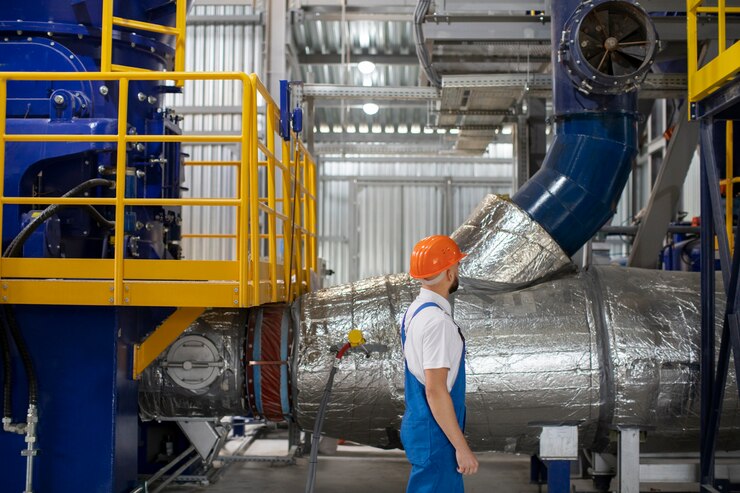
How to Perform Accurate Piping Stress Analysis for Complex Systems Home / Learning Introduction Modern industries depend significantly on piping systems for the efficient transportation of liquids, gases, and various materials. However, as these systems become more complex, ensuring their reliability and safety becomes crucial. This is where Piping Stress Analysis becomes crucial. It is a critical process that evaluates the stress, flexibility, and structural integrity of piping systems to ensure their proper functioning under various conditions. This article will provide a step-by-step guide on performing accurate Piping Stress Analysis for complex systems, helping you understand essential considerations and avoid potential pitfalls. What is Piping Stress Analysis? Piping Stress Analysis is an engineering method used to evaluate the stresses and strains in a piping system under various operating conditions. These conditions may include: Internal Pressure: Ensuring pipes can withstand design pressures without failure. Thermal Expansion: Accounting for temperature-induced expansion and contraction. External Loads: Addressing structural loads, weight, and environmental factors like wind and seismic activity. Dynamic Effects: Evaluating the impact of vibration, water hammer, and transient forces. The goal is to ensure that the piping system operates safely, remains within acceptable stress limits, and prevents failures such as leaks, fatigue cracks, or excessive displacement. Key Steps to Perform Accurate Piping Stress Analysis 1.Understand System Requirements Before starting the analysis, gather comprehensive information about the piping system, including: System layout and dimensions Operating temperatures and pressures Material specifications Fluid properties (density, viscosity, phase changes, etc.) Support locations and types Environmental conditions (e.g., seismic loads, wind loads, ambient temperature variations) 2. Develop a Detailed Piping Model Using specialized software such as CAESAR II, AutoPIPE, or PASS/STRAT-PROF, create a digital model of the piping system. Ensure the model accurately represents: Pipes and fittings Valves and flanges Anchors and supports Expansion joints and flexible connections The accuracy of your model directly impacts the quality of the analysis and the reliability of the results. 3. Identify Load Conditions Piping systems are subjected to multiple types of loads: Sustained Loads: Includes the weight of the piping, fluid, and insulation. Thermal Loads: Expansion or contraction due to temperature variations. Dynamic Loads: Vibration, water hammer, seismic, and transient flow effects. Evaluate each load separately and in combination to simulate real-world operating scenarios. 4. Perform Stress Calculations Perform stress calculations in accordance with industry codes such as: ASME B31.3 (Process Piping) ASME B31.1 (Power Piping) Key considerations: Allowable Stress Limits: Ensure that calculated stresses remain below permissible values. Flexibility Analysis: Verify that the system can accommodate thermal expansion. Stress Intensification Factors (SIFs): Account for stress concentrations at fittings, elbows, and branch connections. 5. Optimize Support Design Properly designed supports help reduce excessive stresses and improve system stability. Consider: Fixed and sliding supports Spring hangers for thermal movements Guides and line stops to control displacement Dampers and restraints to mitigate vibrations and seismic effects 6. Validate with Field Data Field validation ensures that the analysis accurately reflects real-world conditions. Conduct site inspections to confirm that: Piping is installed according to design. Supports, anchors, and restraints are correctly placed. No unexpected stresses or displacements occur under actual operating conditions. Common Challenges and How to Overcome Them Inaccurate InputsProviding incomplete or incorrect data can lead to unreliable results. Always double-check input parameters and use precise measurements. Overlooking Thermal ExpansionUnaccounted thermal expansion can introduce excessive stresses, leading to fatigue failures. Use expansion joints, loops, or flexibility analysis to mitigate these effects. Neglecting Dynamic LoadsIgnoring transient effects such as vibrations, slug flow, or water hammer can compromise system integrity. Use dynamic analysis tools to predict and manage these risks. Poor Support PlacementImproperly placed supports may amplify stress rather than reduce it. Conduct a detailed support analysis to ensure proper load distribution and stability. Benefits of Accurate Piping Stress Analysis Enhanced Safety: Prevents accidents, leaks, and structural failures. Cost Savings: Reduces unexpected maintenance and repair costs. Regulatory Compliance: Ensures adherence to industry standards. Extended Lifespan: Enhances the durability and efficiency of the piping system. Contact Us If you require professional support for Piping Stress Analysis in your projects, our skilled team of engineers is ready to assist you. We provide comprehensive analysis services tailored to your specific requirements. Contact us today to ensure the safety and efficiency of your piping systems.
