
Piping Stress Analysis: Why It Matters for Safe and Compliant Facilities
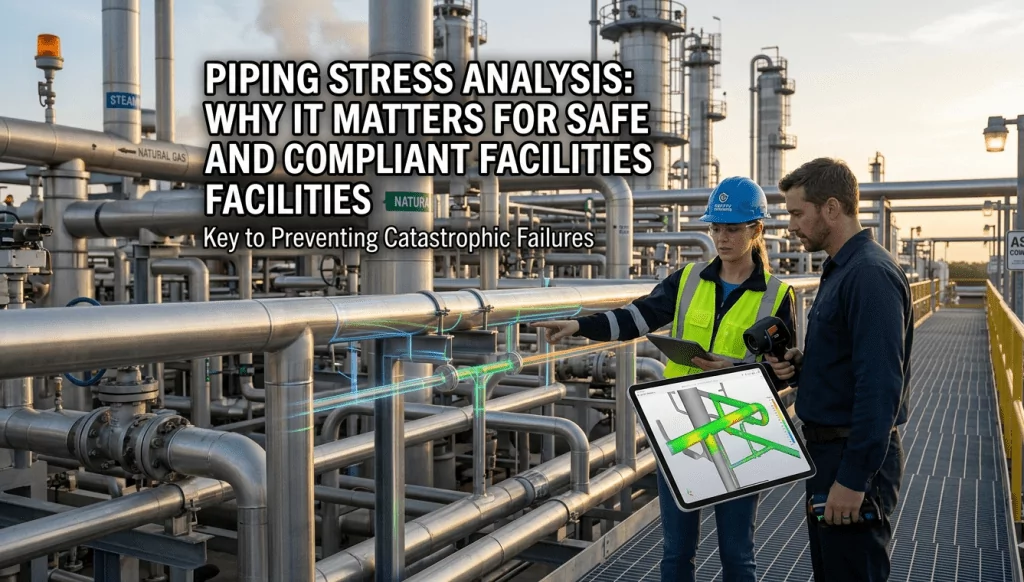
Piping Stress Analysis: Why It Matters for Safe and Compliant Facilities In industrial facilities, piping systems do much more than move fluids from one point to another. They operate under pressure, experience temperature changes, carry heavy loads, and connect to critical equipment. Without proper engineering review, these forces can lead to leaks, vibration, equipment nozzle failures, or costly downtime. That is why Piping Stress Analysis is a key part of safe and reliable plant design.Whether you are building a new system or modifying an existing one, understanding piping behaviour under real operating conditions helps reduce risk and improve long-term performance. What Is Piping Stress Analysis? Piping Stress Analysis is the engineering process of evaluating how a piping system responds to loads such as: Internal pressure Thermal expansion and contraction Dead weight of pipe, valves, and insulation Wind and seismic forces Vibration and dynamic loads Equipment nozzle loads Engineers use specialized software and sound engineering judgment to model the piping system, identify overstressed areas, and recommend practical design changes. The goal is not simply to pass a software check. It is to ensure the system can operate safely, maintain alignment, and avoid premature failure. Why Piping Stress Analysis Is Important 1. Protects Equipment Connections Pumps, compressors, vessels, and heat exchangers are sensitive to external piping loads. Excessive nozzle loads can create misalignment, seal failures, or equipment damage. A proper analysis helps confirm connected equipment remains within allowable load limits. 2. Manages Thermal Expansion As temperatures rise or fall, piping expands and contracts. If movement is restrained, high stresses can develop. Stress analysis identifies where flexibility is needed through routing changes, expansion loops, or spring supports. 3. Supports Code Compliance Many industrial projects must comply with codes such as ASME B31.1, ASME B31.3, or other jurisdictional requirements. In Canada, provincial regulations may also apply depending on the system and location. Engineering review helps document that the design meets applicable standards. Requirements can vary by province, state, and authority having jurisdiction. 4. Reduces Downtime and Maintenance Costs Unexpected vibration, fatigue cracking, and support failures can interrupt operations. Identifying these issues during design is far less expensive than correcting them after startup. When Should You Request Piping Stress Analysis? Many projects benefit from early stress review, especially when systems involve: High temperature service Large diameter piping Long pipe runs Critical rotating equipment Steam and condensate systems Frequent thermal cycling Complex support arrangements Revamps or tie-ins to existing plants Even smaller systems may require analysis if operating conditions or connected equipment make loads significant. Typical Deliverables from a Stress Analysis Study A professional engineering review often includes: Stress Model and Calculations A computer model is created to evaluate sustained, expansion, and occasional loads. Support Recommendations Engineers may recommend guides, anchors, spring supports, or layout adjustments. Equipment Load Review Loads at pumps, vessels, and other connections are checked against manufacturer or code limits. Practical Design Changes The best solution is often a simple routing change or support relocation rather than costly redesign later. Piping Stress Analysis in Canada and the USA Facilities across Canada and the USA often require a combination of code compliance, owner standards, and regulatory approvals. In Canada, projects may also involve CRN support, depending on the pressure equipment scope and jurisdiction. Professional Engineer review or stamping requirements can vary by province. In the USA, owner specifications, insurance requirements, and applicable state regulations may also influence project deliverables. Working with an experienced engineering team helps ensure the analysis aligns with the real approval pathway, not just theoretical calculations. How MECS Engineering Supports Clients MECS Engineering provides practical Piping Stress Analysis services for industrial clients, EPC firms, fabricators, and plant owners. Our team supports projects involving: New piping system design Brownfield modifications Pipe support design Pressure equipment packages CRN support documentation Professional Engineer stamping where required Coordination with piping, structural, and mechanical disciplines Learn more about our dedicated service here: Piping Structural Stress Analysis Choosing the Right Engineering Partner When selecting a consultant, look for more than software capability. You need engineers who understand constructability, plant operations, code requirements, and practical solutions. A good stress report should clearly explain risks, assumptions, and recommended actions. It should help move the project forward, not create confusion. Conclusion Piping Stress Analysis is an essential investment in safety, reliability, and compliance. It helps protect equipment, control thermal movement, reduce maintenance issues, and support code-ready designs for facilities in Canada, the USA, and worldwide. If you are planning a new installation, expansion, or retrofit, MECS Engineering can help you assess your piping system with practical, project-focused engineering support. Contact our team today to discuss your next project.
Professional Engineering Consultants: What They Do and Why It Matters

Professional Engineering Consultants: What They Do and Why It Matters Professional engineering consultants play a critical role in delivering safe, compliant, and efficient engineering solutions. Whether you are developing industrial piping systems, pressure equipment, or complex mechanical designs, working with experienced consultants helps reduce risk and streamline approvals. This guide explains what professional engineering consultants do, how they support compliance, and what to look for when choosing the right partner. What Do Professional Engineering Consultants Do? Professional engineering consultants provide specialized expertise to support design, analysis, and regulatory compliance. Their work often includes: Design and Engineering Support They develop detailed engineering designs for systems such as piping networks, pressure vessels, and mechanical infrastructure. This includes material selection, layout planning, and system optimization. Stress Analysis and Safety Evaluation Consultants perform stress analysis to ensure systems can handle operational loads, temperature changes, and pressure conditions. This is especially important in industries where failure can lead to safety risks or downtime. Compliance and Regulatory Guidance Engineering consultants help navigate applicable codes and standards. Requirements can vary by province or state, so understanding local regulations is essential. Consultants ensure designs align with recognized codes and meet regulatory expectations. Design Registration and CRN Support For pressure equipment, design registration may be required. Consultants assist with documentation, calculations, and submissions needed for CRN approval. This process ensures the design meets safety and compliance standards before fabrication. P.Eng Stamping and Certification A licensed Professional Engineer reviews and stamps engineering documents where required. This confirms that the design meets applicable standards and has been evaluated by a qualified professional. Why Businesses Rely on Professional Engineering Consultants Many organizations engage professional engineering consultants to improve project outcomes and reduce compliance risks. Improved Project Efficiency Consultants bring established processes and technical knowledge, helping teams avoid delays caused by design revisions or regulatory issues. Reduced Compliance Risk Regulatory requirements can be complex and vary by jurisdiction. Consultants ensure documentation and designs meet the necessary standards from the start. Access to Specialized Expertise Not every company has in-house expertise for advanced analysis or design registration. Consultants provide targeted support without the need to build internal teams. Better Design Accuracy With experience in stress analysis and system design, consultants help ensure that engineering solutions are both practical and reliable. Key Areas of Engineering Consultancy Professional engineering consultants typically support multiple technical areas: Piping Design Efficient piping systems require careful planning and analysis. Consultants design systems that meet operational requirements while maintaining safety and compliance. Pressure Equipment Engineering Pressure vessels and related systems must meet strict standards. Consultants assist with design calculations, documentation, and registration processes. Mechanical System Design From industrial equipment to integrated systems, consultants provide design solutions tailored to specific project needs. Regulatory Documentation Preparing clear and accurate documentation is essential for approvals. Consultants ensure all required calculations, drawings, and reports are properly compiled. What to Look for in Professional Engineering Consultants Choosing the right consultant can significantly impact project success. Consider the following factors: Relevant Experience Look for consultants with proven experience in your industry and project type. Familiarity with similar systems improves efficiency and accuracy. Knowledge of Codes and Standards Ensure the team understands applicable codes and regulatory requirements. This is particularly important for projects requiring design registration or certification. Licensed Professional Engineers Verify that the consultant has access to licensed engineers who can review and stamp documents when required. Clear Communication Effective communication helps avoid misunderstandings and ensures smooth collaboration throughout the project lifecycle. How MECS Engineering Supports Your Projects At MECS Engineering, professional engineering consultants provide practical, compliance-focused solutions for complex engineering challenges. Services include piping design, stress analysis, CRN support, and P.Eng stamping. The team works closely with clients to understand project requirements and deliver designs that align with applicable standards. By focusing on accuracy and compliance, MECS helps reduce delays and support successful project outcomes. To learn more about available services, visit https://mecsengineering.com Conclusion Professional engineering consultants are essential for ensuring safe, compliant, and efficient project execution. From design and analysis to regulatory approvals and certification, their expertise supports every stage of the engineering process. If your project involves complex systems or requires regulatory approval, working with experienced consultants can help you move forward with confidence. Connect with a qualified team to ensure your designs meet both technical and compliance requirements.
Piping Flexibility Analysis: A Practical Engineering Guide
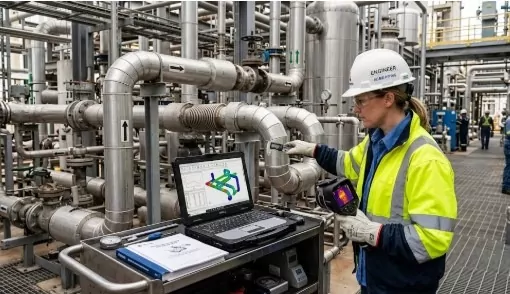
Piping Flexibility Analysis: A Practical Engineering Guide Piping systems are rarely static. Temperature changes, pressure fluctuations, and external loads can all introduce stress into a system. Piping Flexibility Analysis helps engineers evaluate how piping behaves under these conditions and ensures that systems remain safe, compliant, and reliable over time. What Is Piping Flexibility Analysis? Piping Flexibility Analysis is the process of evaluating how a piping system responds to thermal expansion, contraction, vibration, and external forces. The goal is to ensure that stresses, loads, and displacements remain within allowable limits defined by applicable codes and standards. This analysis typically considers: Thermal expansion and contraction Internal pressure loads Weight of piping, insulation, and contents External forces such as wind or seismic activity By identifying stress points early, engineers can adjust the design before fabrication and installation. Why Piping Flexibility Analysis Matters Ensuring System Integrity Without proper flexibility analysis, piping systems may experience excessive stress, leading to fatigue, deformation, or failure. This can impact safety and operational continuity. Protecting Equipment Improperly designed piping can transfer loads to connected equipment like pumps or vessels. Flexibility analysis helps prevent nozzle overload and ensures long-term equipment performance. Key Factors Considered in Analysis Thermal Expansion Temperature changes cause pipes to expand or contract. Even small changes can create significant stress in long pipe runs if not properly managed. Stress Limits Allowable stress limits are defined by design codes. Engineers compare calculated stresses against these limits to ensure compliance. Support Design Pipe supports, anchors, and guides play a critical role in controlling movement. Their placement and type directly affect system flexibility. Load Distribution Loads must be balanced across the system to avoid concentration in specific areas, which can lead to premature failure. Common Methods Used Manual Calculations For simple systems, engineers may use standard formulas to estimate stress and displacement. Software-Based Analysis For more complex systems, specialized tools are used to simulate real-world conditions and evaluate multiple load cases. Stress Modeling Detailed models allow engineers to assess different scenarios, including startup, shutdown, and upset conditions. Practical Design Considerations Expansion Loops and Offsets Introducing loops or offsets into piping routes helps absorb thermal expansion naturally. Flexible Connections Expansion joints or flexible connectors may be used where space constraints limit design options. Proper Support Placement Supports should be designed to guide movement while preventing excessive displacement. Collaboration with Engineering Experts Working with experienced engineering teams ensures that flexibility analysis aligns with overall system design, fabrication, and regulatory requirements. For projects requiring detailed evaluation, professional services such as piping stress analysis and design support can help ensure accuracy and compliance. Learn more about how this integrates with broader engineering services here: https://mecsengineering.com/piping-structural-stress-analysis/ Benefits of Professional Piping Flexibility Analysis Engaging a qualified engineering consultancy provides several advantages: Accurate stress evaluation using advanced tools Compliance with applicable codes and standards Reduced risk of system failure Improved operational efficiency and lifespan Support with documentation and regulatory approvals Companies offering engineering services, such as piping design and stress analysis, can also assist with CRN support, design validation, and P.Eng review where required. Conclusion Piping Flexibility Analysis is a fundamental part of modern engineering design. It ensures that piping systems can safely handle real-world conditions while meeting regulatory requirements. Whether you are designing a new system or evaluating an existing one, investing in proper analysis helps reduce risk, improve performance, and maintain compliance. If your project requires expert support in piping design, stress analysis, or regulatory compliance, working with an experienced engineering team can make a measurable difference.
Third Party Verification: Ensuring Reliable Engineering Compliance

Third Party Verification: Ensuring Reliable Engineering Compliance Introduction Third party verification plays a crucial role in engineering projects, particularly for piping, structural, and mechanical systems. It provides an independent review of designs, materials, and installation practices to ensure safety, quality, regulatory compliance and facilitate approvals with regulatory authorities. MECS offers professional third party verification services, including design reviews, inspection, and P.Eng stamping, helping clients meet provincial and state requirements efficiently. What Is Third Party Verification? Third party verification involves an independent organization reviewing engineering work to confirm compliance with applicable codes, standards, and project specifications. It ensures that systems meet safety and performance requirements without bias from the original design team. Key areas often verified include: Piping and structural design Pressure vessel compliance Welding and material inspections Installation and operational procedures By providing an objective assessment, third party verification helps identify potential issues early and avoids costly rework or safety concerns. Why Third Party Verification Matters Independent verification offers several advantages: Enhanced Safety: Confirms that designs and installations can withstand operational loads and environmental conditions. Regulatory Compliance: Ensures adherence to ASME, CSA, and local provincial or state codes. Requirements can vary, making verification essential for legal approval. Project Confidence: Gives stakeholders assurance that engineering work meets professional standards. Risk Mitigation: Identifies potential design flaws or material deficiencies before they impact project performance. Many engineering teams find that integrating third party verification early in the project lifecycle streamlines approvals and improves overall project quality. Key Considerations for Third Party Verification When planning third party verification, engineers should focus on: Scope of Review: Define which components, systems, or stages require independent verification. Standards and Codes: Confirm that all relevant codes are addressed, noting regional variations. Documentation: Provide clear design documents, drawings, and calculations for accurate assessment. Qualified Inspectors: Ensure verification is conducted by certified professionals familiar with P.Eng requirements and CRN processes where applicable. Proper planning ensures that verification adds value without unnecessary delays to the project timeline. How MECS Supports Third Party Verification MECS provides end-to-end third party verification services for engineering projects, including: Independent design review and stress analysis Inspection of piping, pressure vessels, and structural systems P.Eng stamping and CRN support for compliance Collaboration with project teams to meet regulatory requirements efficiently Our team ensures that every verification aligns with applicable codes and standards while helping clients maintain project timelines and quality benchmarks.
Stress Analysis: Essential Guide for Piping and Structural Systems
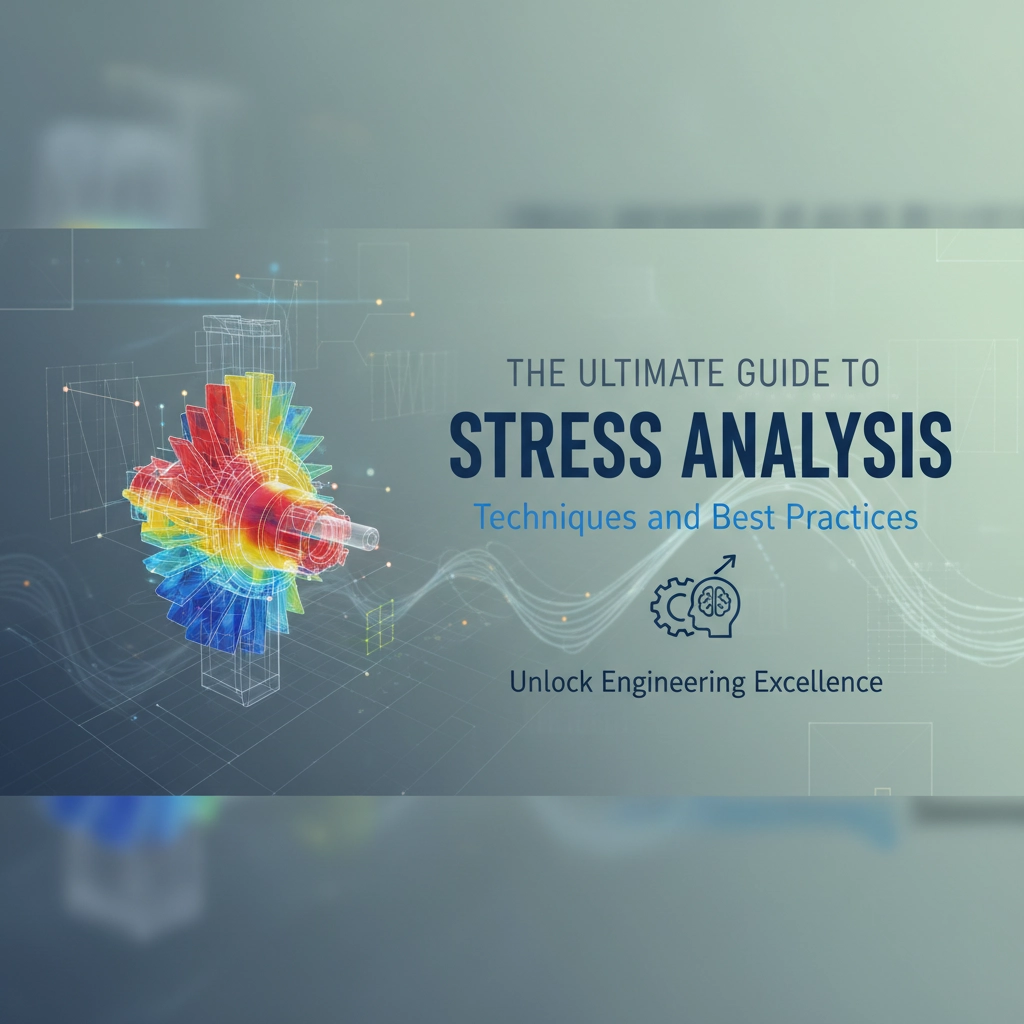
Stress Analysis: Essential Guide for Piping and Structural Systems What Is Stress Analysis? Stress analysis evaluates the internal forces, moments, and deformations that components experience under operational conditions. It identifies potential weak points in a system and predicts how structures or piping networks will respond to loads such as: Internal pressure Thermal expansion and contraction External mechanical forces Vibration and seismic activity By simulating these conditions, engineers can ensure that materials, joints, and supports are properly sized and compliant with relevant codes. Why Stress Analysis Matters in Piping and Structural Design Proper stress analysis benefits both safety and efficiency: Safety Compliance: Correct analysis reduces the risk of mechanical failure, leaks, or structural collapse. Operational Reliability: Ensures systems can handle expected loads, temperature variations, and environmental conditions without premature wear or damage. Key Considerations in Stress Analysis When performing stress analysis, engineers should focus on: Material Properties: Elastic modulus, yield strength, and thermal expansion coefficients. Boundary Conditions: Accurate representation of supports, restraints, and connections. Load Cases: Include all operational, environmental, and accidental conditions. Regulatory Requirements: Consider provincial or state-specific guidelines, especially for pressurized piping systems. Stress analysis software can model complex systems, but professional engineering judgment remains essential to interpret results correctly and implement safe design solutions. How MECS Supports Stress Analysis MECS provides comprehensive stress analysis services for both piping and structural systems. Our team ensures that designs meet safety and regulatory requirements while optimizing performance. Services include: Piping stress analysis for thermal expansion, pressure, and load management Structural analysis of steel and composite frameworks CRN support and P.Eng stamping for compliance Collaboration with project teams for design registration and certification By integrating stress analysis into the early stages of design, we help clients avoid costly rework and ensure operational reliability. Conclusion Stress analysis is essential for safe and efficient piping and structural systems. Whether addressing pressure, thermal loads, or mechanical stresses, professional engineering services ensure compliance, reliability, and optimized performance. For more detailed guidance on stress analysis and engineering support, explore MECS’ full range of services in piping and structural stress analysis.
Canadian Registration Number: Ensuring Compliance in Engineering Projects
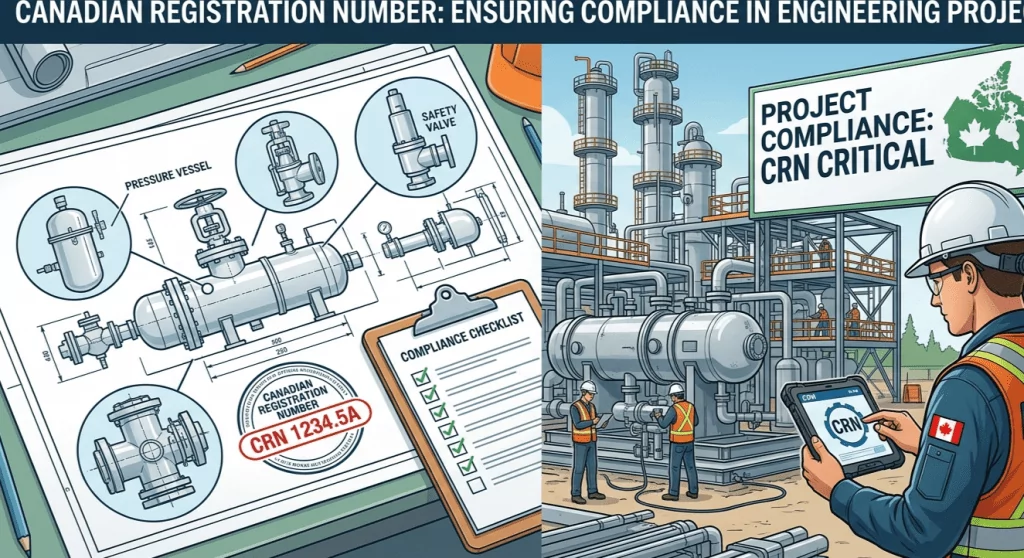
Canadian Registration Number: Ensuring Compliance in Engineering Projects Introduction A Canadian Registration Number (CRN) is an essential requirement for pressure vessels, piping systems, and other regulated equipment in Canada. This mandatory certification ensures that all pressure-retaining components are designed and manufactured to withstand specific operational stresses while adhering to the rigorous safety protocols mandated by Canadian law. Engineers and project managers rely on CRN registration to ensure designs meet provincial regulations, safety standards, and technical codes. Because requirements can vary significantly by province, it is important to work with professionals who understand local standards, technical variations, and registration procedures unique to each jurisdiction. Understanding the Canadian Registration Number What is a CRN? A Canadian Registration Number is a unique identifier assigned to designs of pressure-retaining equipment that meet provincial safety standards. The CRN confirms that a design has been reviewed and approved by the relevant provincial regulator before installation or operation. This number typically consists of a letter, four digits, a decimal point, and then up to ten digits or letters representing the provinces or territories where the design is registered. Why CRN Compliance Matters Compliance with CRN regulations is essential to avoid legal and operational risks. Operating unregistered equipment is a violation of provincial safety acts and can lead to heavy fines, immediate project shutdowns, and significant liability hazards. Beyond legalities, the registration process serves as a critical third-party audit of the engineering design. Professional engineering services ensure that all documentation, detailed drawings, and complex stress analyses meet strict regulatory requirements before submission, thereby enhancing the overall safety and reliability of the industrial infrastructure. How MECS Engineering Supports CRN Projects MECS Engineering specializes in providing engineering services for pressure vessels and piping systems, including CRN support. From design verification and stress analysis to P.Eng stamping and provincial registration, MECS ensures your projects meet safety standards and regulatory requirements efficiently. Conclusion Obtaining a Canadian Registration Number is a key step for compliance and safety in regulated engineering projects. Partnering with professional engineers who understand CRN requirements and provincial regulations ensures your designs are approved and your projects run smoothly. Contact MECS Engineering to streamline your CRN registration and access expert guidance for your next project.
Ensuring Efficient and Safe Designs Through Engineering Services

Ensuring Efficient and Safe Designs Through Engineering Services Overview Professional engineering services are vital for creating designs that are compliant, safe, and efficient across multiple sectors. Expert guidance guarantees that projects adhere to regulatory mandates and technical criteria, whether the task involves stress analysis, piping system management, or the preparation of design records for official review. Reliable services are indispensable for seamless project execution, particularly when addressing the intricate hurdles of project approvals and design compliance. MECS Engineering: Supporting Your Goals MECS Engineering provides an array of services, including CRN registration support, P.Eng stamping, stress analysis, and piping design. By merging regulatory expertise with technical skill, MECS assists partners in finalizing projects within budget and on schedule while strictly following all applicable standards. Key Service Offerings Analysis of Stress and Piping Design Safety and operational effectiveness in piping design depend on meticulous planning. Through expert engineering services, projects receive comprehensive design validation, material choosing, and stress assessments. These steps verify that systems can handle pressure, thermal expansion, and operational stresses while remaining aligned with industry standards and codes. Design Registration and CRN Guidance Registration with regional authorities is frequently mandatory for piping systems and pressure vessel designs. Engineering providers offer support for Canadian Registration Numbers (CRN), assisting businesses in maneuvering through state and provincial rules. This precision in registration helps prevent expensive setbacks and maintains legal standing. Stamping by a Professional Engineer (P.Eng) A licensed Professional Engineer must often review and stamp designs for industrial ventures. These services deliver P.Eng stamping to certify that designs fulfill regulatory and technical benchmarks, which is a vital requirement for safety integrity, construction permits, and consistent long-term operation. The Importance of Professional Expertise Utilizing specialized engineering services boosts productivity, minimizes hazards, and strengthens regulatory adherence. Skilled engineers use their technical knowledge to provide functional solutions, spot complications early, and assess the feasibility of a design. Dedicated consultants can also simplify interactions with oversight bodies to ensure designs satisfy specific state or provincial needs. Final Thoughts Expert engineering services represent a critical investment in the efficiency, safety, and compliance of any project. Working with seasoned professionals ensures your designs are authoritative, thoroughly recorded, and officially sanctioned. Reach out to MECS Engineering for specialized support crafted for your specific project requirements.
Stress Analysis Services for Safe and Compliant Industrial Systems
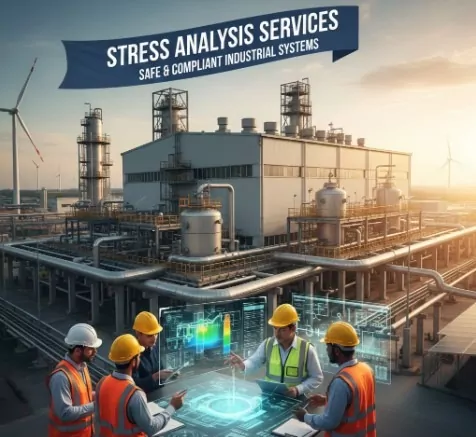
Stress Analysis Services for Safe and Compliant Industrial Systems Stress Analysis serves as a vital engineering discipline, ensuring that structural elements and piping systems can endure external forces, thermal variations, and operational loads without compromise. Throughout the industrial landscapes of the USA and Canada, meticulous Stress Analysis facilitates regulatory adherence, safeguards critical machinery, and minimizes the likelihood of expensive system failures. Within the scope of professional engineering consultancy and services, Stress Analysis is integral to compliance assessments, system upgrades, and plant design. Exhaustive evaluations are essential for both modifications and new builds to confirm that industrial systems operate reliably under actual service conditions. For comprehensive solutions, explore MECS’ specializedhttps://mecsengineering.com/piping-structural-stress-analysis/ What Is Stress Analysis in Industrial Engineering? Stress Analysis evaluates how piping systems and structures respond to loads such as pressure, weight, thermal expansion, wind, and seismic forces. Engineers calculate stresses, displacements, and support reactions to confirm that designs meet allowable limits defined by applicable codes. In practice, this includes: Sustained load evaluation from pressure and weight Thermal expansion and contraction assessment Occasional load checks such as wind or seismic events Equipment nozzle load verification Support and anchor load calculations Professional Stress Analysis ensures that systems comply with standards such as ASME B31.1 and ASME B31.3, while also aligning with provincial and state regulatory requirements. Why Stress Analysis Matters for Compliance and Safety Meeting Code and Regulatory Requirements Industrial projects must comply with recognized engineering codes and, where required, provincial design registration processes. Requirements can vary by province and state, so working with experienced engineers is essential. A properly documented Stress Analysis supports: Design validation before construction Regulatory submissions and reviews P.Eng stamping where required Inspection readiness Applications of Stress Analysis in Piping and Structures Piping Stress Analysis In process and power facilities, piping systems experience significant thermal growth and pressure fluctuations. Piping Stress Analysis ensures flexibility is adequate and support placement is optimized. Structural Stress Analysis Steel structures, pipe racks, and equipment supports must handle combined loads safely. Structural Stress Analysis verifies stability and compliance with applicable building and industrial standards. Choosing the Right Engineering Partner When selecting a provider for Stress Analysis, consider: Experience with North American codes and regulators Capability to provide P.Eng stamped calculations where required Expertise in piping design and structural engineering Clear, practical reporting tailored to regulatory needs An experienced consultancy not only performs calculations but also provides actionable design recommendations that improve constructability and compliance. Conclusion Stress Analysis is more than a technical requirement. It is a fundamental step in ensuring industrial systems operate safely, meet code requirements, and protect long term investments. From piping flexibility reviews to structural load verification, professional engineering expertise makes a measurable difference. If your project requires reliable Stress Analysis backed by practical industry experience, connect with MECS to discuss how our piping and structural stress analysis services can support your next phase of development.
Engineering Services in Canada and USA: What Businesses Need to Know

Engineering Services in Canada and USA: What Businesses Need to Know Engineering projects in Canada and the United States operate within well defined technical and regulatory frameworks. Professional Engineering Services are not only about design calculations. They involve regulatory awareness, documentation, coordination with authorities, and professional accountability. Understanding how these services work in practice helps you make informed decisions and avoid costly delays. Engineering Services typically include: Mechanical and piping design Stress analysis and flexibility studies Pressure equipment design and review Code compliance verification Design registration and CRN support P.Eng review and stamping In both Canada and the USA, projects involving public safety or regulated equipment often require oversight by a licensed Professional Engineer. In Canada, this means a P.Eng licensed by a provincial regulator. In the USA, licensing is handled at the state level. Working with a qualified engineering consultancy ensures that your project meets applicable codes such as ASME standards and local jurisdictional requirements. Regulatory Environment in Canada In Canada, engineering is regulated provincially. Each province has its own engineering association that governs licensing and practice standards. A Professional Engineer must be licensed in the province where the work is being carried out. For pressure equipment and piping systems, additional requirements often apply: CRN Registration A Canadian Registration Number, or CRN, is required for many pressure retaining components used in most provinces. CRN approval confirms that the design meets applicable safety codes. Requirements and review processes vary by province, so early planning is essential. P.Eng Stamping Design documents submitted for regulatory approval or construction frequently require a P.Eng stamp. This indicates that a licensed engineer has reviewed and taken professional responsibility for the work. Because provincial requirements differ, businesses operating in multiple provinces must ensure compliance in each jurisdiction. Regulatory Environment in the USA In the United States, engineering licensure is managed at the state level. A Professional Engineer must be licensed in the state where the project is located. For industrial facilities, compliance may involve: ASME Boiler and Pressure Vessel Code B31 piping codes State specific building and safety regulations Client specific engineering standards While CRN is not used in the USA, pressure vessel and piping compliance still requires careful design review, documentation, and in many cases PE stamping. Local regulations always apply, and requirements can vary significantly by state. Our Professional Engineering Services involves: Detailed Piping Design Accurate 3D modeling and layout planning reduce clashes and installation challenges. Good design also considers thermal expansion, vibration, and operational loads. Piping Stress Analysis Stress analysis ensures that piping systems comply with applicable codes and can withstand internal pressure, temperature changes, and external loads. This is especially important for high temperature or high pressure systems. Code Compliance and Documentation Regulatory bodies require clear documentation, calculations, and drawings. An experienced engineering consultancy prepares submission packages that align with provincial or state requirements. Design Registration and Authority Support For projects requiring CRN or other approvals, coordinated communication with regulators can streamline the review process and reduce revisions. Choosing the Right Engineering Services Provider When selecting an Engineering Services partner in Canada or the USA, consider: Experience with ASME and applicable codes Familiarity with provincial and state regulators Proven capability in piping design and stress analysis Ability to provide P.Eng or PE stamping where required Clear documentation and communication practices An engineering consultancy should not only perform calculations but also guide you through compliance steps and help you understand your obligations. How MECS Engineering Supports Your Projects At MECS Engineering, Professional Engineering Services are focused on practical, code compliant solutions for industrial clients across Canada and the USA. Our services include: Piping design and 3D modeling Advanced piping stress analysis Pressure equipment design support CRN assistance for Canadian jurisdictions P.Eng stamping and professional review We work closely with clients to ensure designs meet applicable codes and local regulations. Our team understands that requirements vary by province and state, and we tailor our approach accordingly. To learn more about our capabilities, visit our Engineering Services page at mecsengineering.com and explore how we support compliant, efficient project delivery. Conclusion Engineering Services play a central role in ensuring safety, compliance, and operational reliability in Canada and the USA. From P.Eng stamping and CRN registration in Canada to state level PE requirements in the United States, regulatory awareness is as important as technical expertise. If you are planning a new installation, equipment upgrade, or regulatory submission, contact MECS Engineering to discuss how our Engineering Services can support your project from design through approval.
P.Eng. Stamping: What It Means for Engineering Compliance
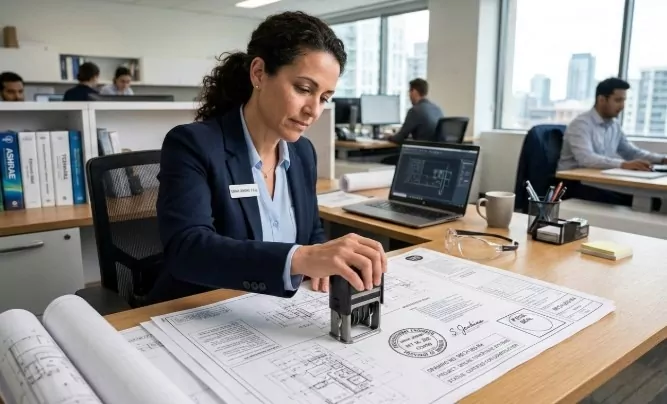
P.Eng. Stamping: What It Means for Engineering Compliance In many engineering projects, accountability and compliance are essential. This is where P.Eng. Stamping becomes important. A stamp from a Professional Engineer (P.Eng.) confirms that engineering work has been reviewed and meets applicable standards and regulations. For companies involved in piping systems, pressure equipment, or industrial infrastructure, understanding how P.Eng. Stamping works can help avoid compliance issues and delays during project approvals. This article explains what P.Eng. Stamping involves, when it may be required, and how it supports safe and compliant engineering practices. What Is P.Eng. Stamping? P.Eng. Stamping refers to the official seal placed on engineering drawings, calculations, or technical documents by a licensed Professional Engineer. The stamp indicates that the engineer has reviewed the work and takes professional responsibility for its technical accuracy. In practice, this process confirms that: The engineering design follows accepted engineering principles Applicable codes and standards have been considered The design is suitable for its intended use A stamped document often becomes part of regulatory submissions, project approvals, or equipment registration processes. Why P.Eng. Stamping Matters in Engineering Projects Accountability and Professional Responsibility When a document receives a P.Eng. Stamp, the engineer is confirming that the design has been reviewed according to professional standards. This helps establish clear accountability within the project. Regulatory Compliance In many jurisdictions, regulators require engineering documents to be stamped by a Professional Engineer before construction, installation, or equipment registration.Requirements can vary by province, state, or country, so companies must confirm the rules that apply in their specific location. Project Approval and Permitting Stamped documents are often necessary during permitting or design registration processes. Without proper P.Eng. Stamping, regulatory authorities may reject submissions or request additional verification. Where P.Eng. Stamping Is Commonly Required Pressure Equipment and Piping Systems Design calculations, stress analysis reports, and piping drawings often require P.Eng. Stamping, especially when applying for CRN registration or design approval. Industrial Facility Design Engineering work related to processing plants, energy systems, and industrial equipment may require review and approval by a licensed engineer. Structural Engineering Structural supports, mechanical equipment installations, and load-bearing components frequently require professional verification through stamped documents. Because regulations differ across regions, organizations should verify the requirements set by their local provincial regulator or engineering authority. P.Eng. Stamping and Third-Party Verification In some cases, companies may seek independent review before submitting engineering documents to regulators. This process is commonly known as third-party verification. Independent verification can provide an additional level of technical review, especially for complex piping systems, pressure equipment, or specialized engineering designs. Services such as stress analysis, design validation, and regulatory support help ensure that engineering documentation meets applicable standards before the P.Eng. Stamping process is completed. Companies that require independent review can learn more about the process through third-party engineering verification services, which support compliance and documentation readiness. Partner with Specialized Engineering Consultants Engaging consulting firms that specialize in stress analysis, piping design, and regulatory filings can mitigate compliance risks and accelerate the overall process. Summary Ultimately, P.Eng. Stamping is vital for upholding professional and legal standards in engineering. This verification by a licensed Professional Engineer ensures that technical documents promote safety, accountability, and project compliance. As regulations are region-specific, it is essential for organizations to verify the particular rules governing their industry and location. For projects involving design registration, pressure equipment, or piping systems, collaborating with experts ensures your paperwork is accurately prepared for regulatory review and P.Eng. Stamping.
